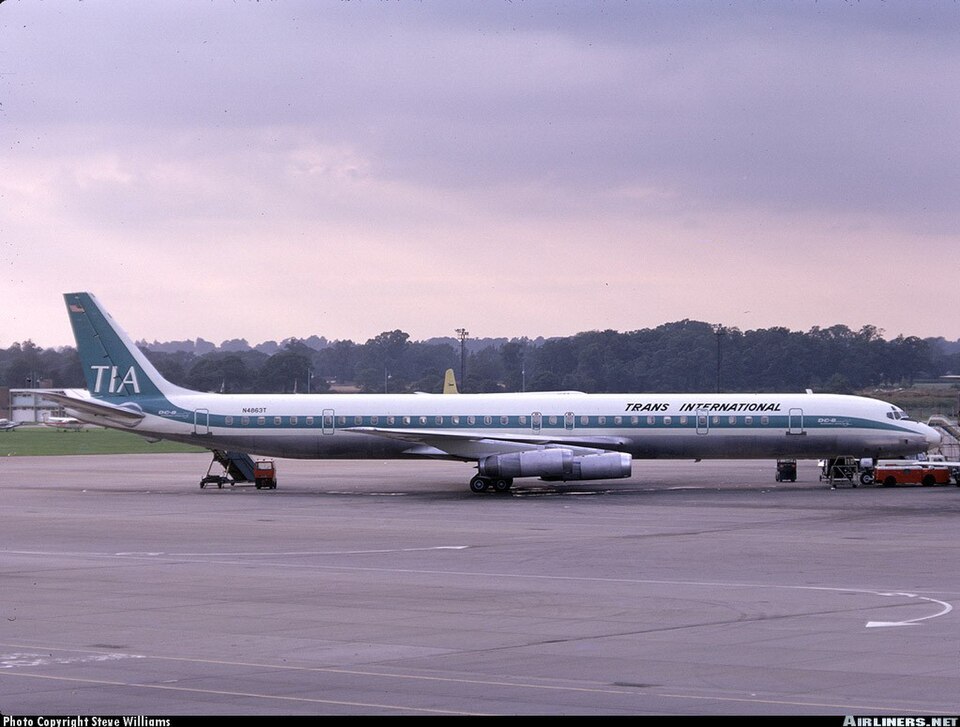
Accident Sequence
Approximately 1,500 feet from the start of the takeoff roll, the aircraft was observed rotating to an excessively nose-high attitude. It became airborne about 2,800 feet down the runway and continued to pitch up slowly, reaching an attitude estimated between 60° and 90° above the horizontal at an altitude of about 300 to 500 feet. The aircraft then rolled approximately 20° to the right, rolled back left until it reached nearly a vertical bank angle, and subsequently fell to the ground in that attitude. Impact forces and a post-crash fire destroyed the aircraft. All 11 crew members, the only occupants, died.
Investigation Findings
The official investigation determined that the probable cause was a loss of pitch control due to the entrapment of a pointed, asphalt-covered object between the leading edge of the right elevator and the right horizontal spar web access door in the aft part of the stabilizer. This restriction to elevator movement was caused by a highly unusual and unknown condition. The crew did not detect it in time to reject the takeoff successfully. Contributing to the accident were an apparent lack of crew responsiveness to a highly unusual emergency situation and the captain's failure to adequately monitor the takeoff, which together hampered the rejection of the takeoff.