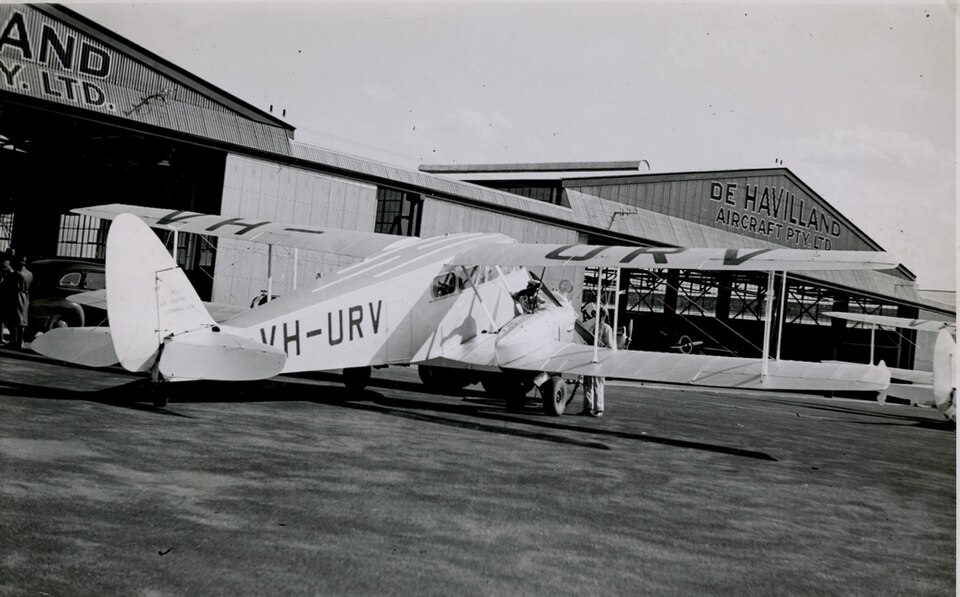
Accident Details
On a scheduled flight from Mount Hagen to Madang with stops at Ogelbeng, Tremearne, Baiyer River, Wabag, Wapenamanda, and Yarramunda, the aircraft carried two inspectors from the Department of Civil Aviation (DCA) and one pilot. The purpose of the flight was to perform inspections of various local airfields.
While flying in a narrow valley, the pilot elected to gain height. The aircraft struck trees and subsequently crashed, engulfed in flames. The airplane was destroyed by a post-crash fire. All three occupants—the two inspectors and the pilot—were killed. The pilot was identified as First Officer Sydney W. Peebles.
Probable Cause
According to the official investigation, the accident was caused by the inexperience of the pilot. Despite having 6,000 flying hours, he had little experience in the Highlands region. He was restricted by Qantas to the Madang–Goroka route but took the DCA charter against company regulations. During the flight, he flew the wrong way up a narrowing valley, attempting to outclimb the rising terrain while throwing passengers' baggage out in an effort to reduce the aircraft's load.
Investigation Findings
The investigation determined that the pilot's lack of familiarity with the Highlands terrain and his decision to fly a route not authorized by his employer were key factors. No other causal factors were identified in the official findings.