What happened
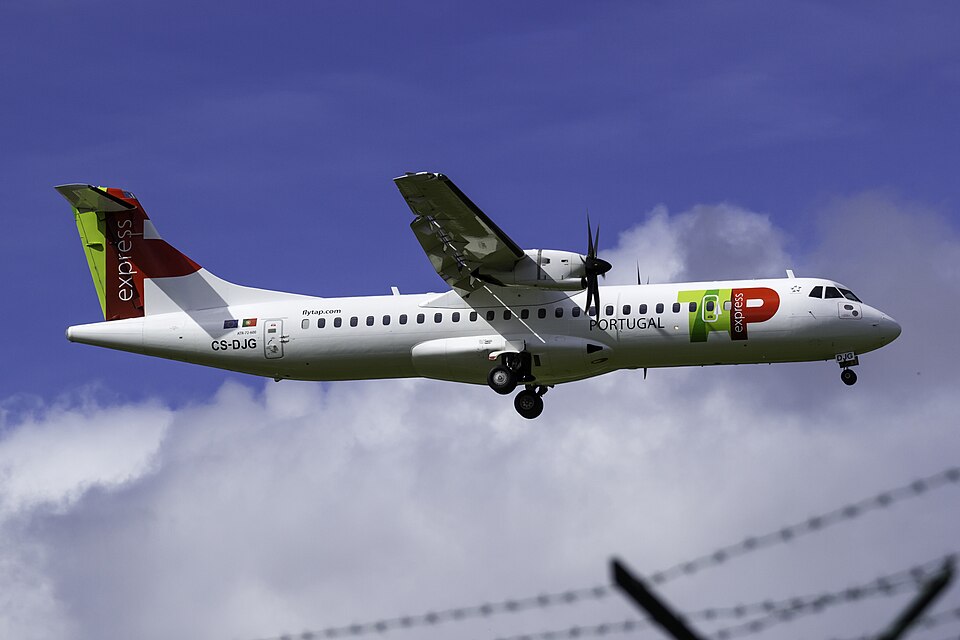
On July 6, 2018, at 15:20 UTC, an ATR 72-212A, registration CS-DJG, operated by White Airways, was performing a landing at Fez-Saïss Airport, Morocco. During the landing phase, the aircraft experienced a hard landing that resulted in a tail strike.
The investigation
The GPIAAF investigation examined the approach and landing phase, the flight crew's training and experience, and the operator's safety management systems. The investigation focused on the criteria for a stabilized approach and the oversight of flight training, specifically regarding Line Flying Under Supervision (LIFUS) and the use of Flight Simulation Training Devices (FSTD). The investigators also reviewed the operator's procedures for ground handling and the maintenance of flight recorders.
Findings
- The landing was characterized by a hard impact and a tail strike.
- There were identified deficiencies in the operator's manual regarding the specific definition of stabilized approach criteria for the fleet.
- Discrepancies were noted in the oversight of crew training, including the approval of FSTD devices and the supervision of inexperienced crew members.
- The investigation identified gaps in the oversight provided by the national aviation authority regarding the operator's compliance with safety requirements.
Safety action
The following safety recommendations were issued to White Airways:
- Review the operations manual to include detailed, fleet-specific technical aspects, such as stabilized approach criteria.
- Review crew training criteria and procedures, including the approval of FSTD devices and the command course.
- Enhance the supervision of inexperienced crew members by customizing LIFUS criteria.
- Establish explicit procedures to ensure the preservation and secure custody of CVRs and FDRs following safety events.
- Strengthen the safety management system to ensure effective monitoring of operational compliance and corrective actions.
The National Civil Aviation Authority (ANAC) was recommended to assess its oversight methods and procedures for the operator to mitigate identified operational risks.