ATR 42/72 — safety record, routes and airlines
The ATR 42/72 are Franco-Italian turboprops that dominate island-hopping, short regional, and sub-400 nautical mile markets worldwide.
See ATR 42/72 routes on the mapEvery event on record for the type, worldwide — incidents as well as accidents, grouped so one event reported by several sources counts once. Not adjusted for fleet size, so the counts reflect how widely a type flies as much as how it performs. We publish no score or grade.
Methodology →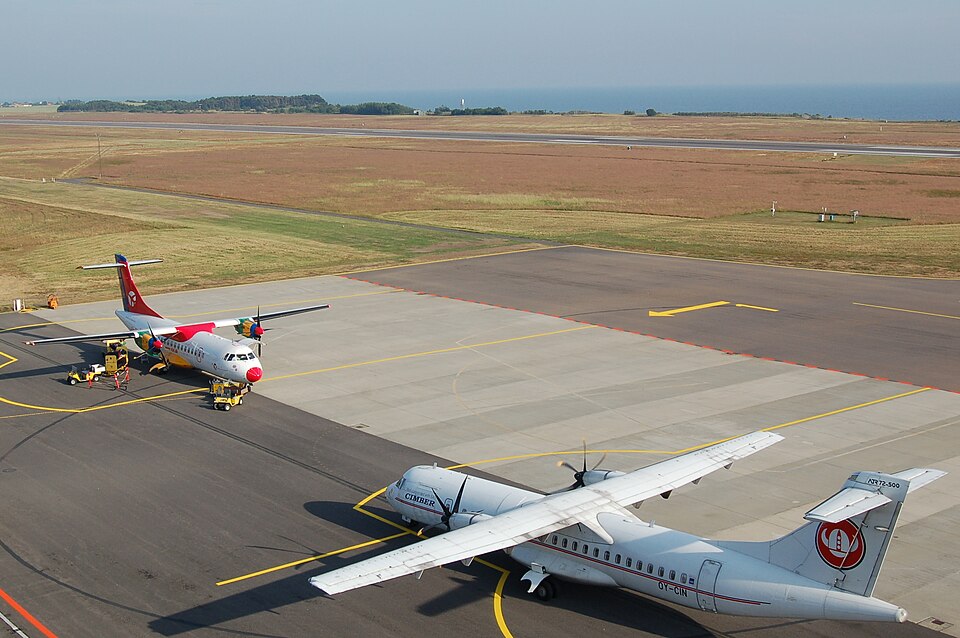
About the ATR 42/72
The ATR 42 seats about 48 passengers and the larger ATR 72 seats 70 to 78. Both are twin-turboprop regional aircraft produced by ATR, the Franco-Italian joint venture between Airbus and Leonardo. Range is around 700 to 900 nautical miles for the ATR 72-600, which is more than enough for typical regional and island-hopping missions. Fuel burn per seat on short routes is the lowest of any regional aircraft in production, which is why ATRs dominate specific markets: island networks, short regional sectors, and developing-country domestic flying where economics matter and runway length may be limited.
Who flies it?
Wideroe in Norway, Azul and LATAM in South America, Indigo in India, Mount Cook Airlines in New Zealand, HOP in France historically, Binter Canarias in Spain, and many Caribbean and Pacific island carriers operate ATR fleets. ATRs are particularly common in Indonesia, the Philippines, Japanese regional carriers, and across many African domestic networks. The ATR 72-600 is by far the most common variant in current fleets, and ATR has launched the ATR 72-600 with short-takeoff enhancements for extreme regional operations.
Recent safety events for the ATR 42/72
Loading safety records…
Sign in to get an email when a new safety record for ATR 42/72 lands.
View full safety record →Frequently asked questions about the ATR 42/72
Is the ATR 42/72 safe?
The ATR 42/72 has 62 occurrences in our most recent five-year window. It has 36 hull losses and 382 recorded occurrences in total. 28 of them were fatal, the most recent in 2026. These are counts from the public record, not a rating: they reflect how widely a type flies as much as how it performs, and they do not predict any individual flight. The methodology page explains how we count.
What's the difference between the ATR 42 and ATR 72?
Size. The ATR 42 seats about 48 passengers and the ATR 72 seats 70 to 78. They share a common type rating, so pilots can fly both with minimal differences training. Most fleets prefer the larger ATR 72 for per-seat economics, but the ATR 42 remains useful on very thin routes or airports with limited infrastructure where a smaller airframe is required.
What's the flight experience like?
Cabin is 2-2 seating with no middle seats, noise from the propellers is higher than a jet though newer aircraft have noise insulation, and flight times are short, usually under 90 minutes. Overhead bins are small, so roller bags typically get gate-checked. The aircraft handles short runways well and can operate into airports that would not accept a regional jet at maximum payload.
Why are turboprops used for short routes?
Fuel burn per seat on routes under 400 nautical miles is the lowest of any regional aircraft in production. Block times on short sectors are comparable to regional jets once you include climb and descent time. Turboprops also handle short runways, hot-and-high airports, and unpaved strips better than equivalent jets, which keeps them irreplaceable on many island, developing-country, and remote regional networks.
Engines
Embed this safety badge

See how the ATR 42/72 compares
Put it side by side with another commercial type — key specs and recorded safety history, not a ranking.
ATR 42/72 — safety & facts
Safety record
- Occurrences, last 5 years
- 62
- Airworthiness directives
- 202
- Recorded occurrences
- 382
- Hull losses
- 36
- Fatal accidents
- 28
- Total fatalities
- 878
- Last fatal accident
- 2026
- Records span
- 1986–2026
Based on 382 occurrences across NTSB, ASN, MAK, ATSB & Wikidata records. See full safety record →
Key facts
- Manufacturer
- ATR
- Typical seats
- 48-78 pax
- Range
- 1,555 km
- First flight
- 1984-08
Flying soon? Check your own flight
Every record above is searchable — but the fastest answer is your actual flight.
Or look up the record behind it: