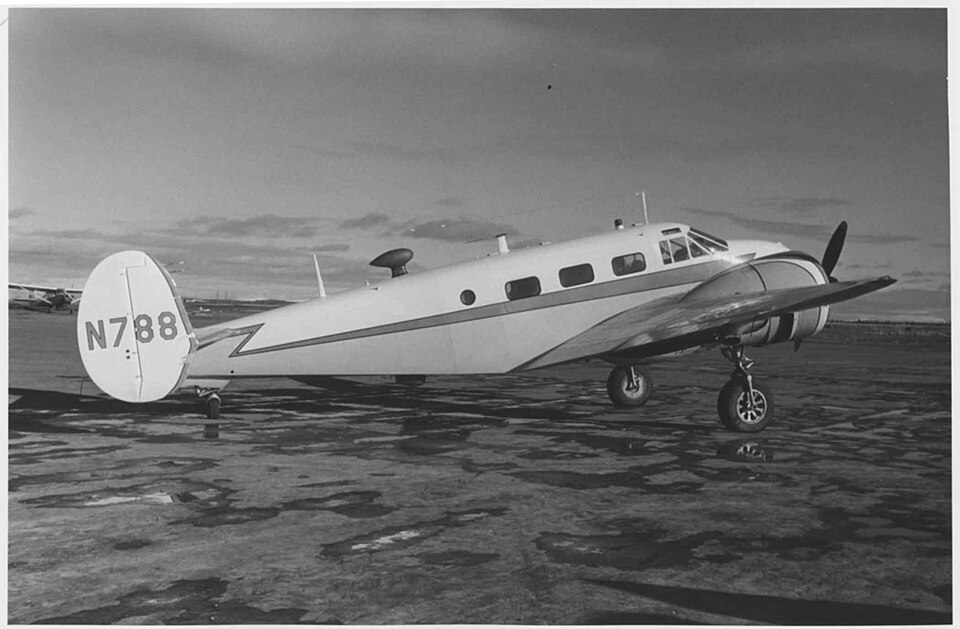
2 Oct 2008: PIPER PA-18 — U.S. Dept. of Interior

2 Oct 2008: PIPER PA-18 (N788) — U.S. Dept. of Interior

No fatalities • Anchorage, AK, United States

Probable cause

The pilot's excessive application of the brakes during the landing roll, which resulted in the airplane nosing over.

— NTSB Determination

Accident narrative

On October 2, 2008, about 1535 Alaska daylight time, a tundra tire-equipped Piper PA-18 airplane, N788, sustained substantial damage when it nosed over during landing on a remote gravel bar, about 28 miles northwest of Anchorage, Alaska. The airplane was being operated as a visual flight rules (VFR) local area flight under Title 14, CFR Part 91, when the accident occurred. The airplane was operated by the U.S. Department of Interior, Anchorage, Alaska. The commercial certificated pilot, seated in the rear seat, and the airline transport pilot seated in the front seat, both certificated flight instructors, were not injured. Visual meteorological conditions prevailed, and a VFR flight plan was filed. The flight originated at the Lake Hood Airstrip, Anchorage, Alaska, about 1300.

During an interview with the National Transportation Safety Board (NTSB) investigator-in-charge (IIC), on October 6, 2008, an investigator with the Department of Interior reported that the airplane was being operated for pilot proficiency, and to scout landing areas for an off-airport landing clinic. Each of the two pilots aboard planned to fly from the rear seat of the airplane during the clinic, and the rear seat pilot had been designated as the pilot-in-command for the accident flight. The rear seat pilot selected a gravel bar along the Susitna River that was about 2,000 feet long. During the landing roll, he applied excessive braking, and the airplane nosed over. The airplane received structural damage to the right wing lift strut and the left wing.

Contributing factors

  • cause Incorrect use/operation
  • cause Pilot

Conditions

Weather
VMC, wind 045/08kt, vis 10sm

Loading the flight search…

What you can do on Flight Finder

  • Search flights between any two airports with live fares.
  • By aircraft — pick a plane model (e.g. Boeing 787, Airbus A350) and see every route it flies from your origin.
  • Route map — click any airport worldwide to explore its destinations, or draw a radius to find nearby airports.
  • Global aviation safety — aviation accident database, 5,200+ records since 1980, with map and rankings by aircraft and operator.
  • NTSB safety feed — recent U.S. aviation accidents and incidents from the official NTSB CAROL database, updated daily.

Frequently asked questions

How do I search flights by aircraft type on FlightFinder?

Pick an aircraft model — Boeing 737, Airbus A320, A380, Boeing 787 Dreamliner and more — enter your origin airport, and FlightFinder shows every route that plane flies from there with live fares.

Which aircraft types can I filter by?

We support Boeing 737/747/757/767/777/787, the full Airbus A220/A319/A320/A321/A330/A340/A350/A380 family, Embraer E170/E175/E190/E195, Bombardier CRJ and Dash 8, and the ATR 42/72 turboprops.

Is FlightFinder free to use?

Search and schedules are free. Pro ($4.99/month, $39/year, or $99 one-time lifetime) unlocks the enriched flight card — on-time stats, CO₂ per passenger, amenities, live gate & weather — plus My Trips with push alerts.

Where does the route data come from?

Live schedules come from Amadeus, AeroDataBox and Travelpayouts. Observed routes (which aircraft actually flew a given city pair) are crowdsourced from adsb.lol ADS-B data under the Open Database License.