Incident Overview
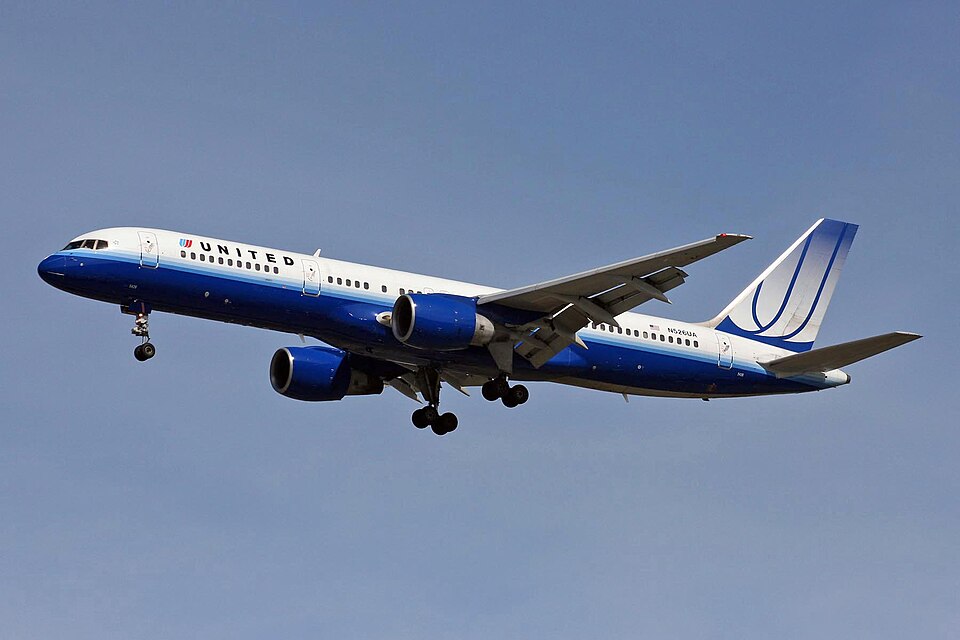
On May 31, 2011, at approximately 1215 Pacific daylight time, a Boeing 757-222, registration N526UA, operating as United Airlines flight 840, was being pushed back from a gate at Los Angeles International Airport (LAX), Los Angeles, California. During the pushback, one of the airplane's nose wheel tires made contact with and trapped a ground crewmember's foot. The nose gear tire sustained minor damage, and the ground crewmember sustained a serious foot injury.
Flight Details
The domestic passenger flight was scheduled from Los Angeles to Chicago, Illinois, operating under Title 14 Code of Federal Regulations Part 121. On board were 182 passengers, six cabin crewmembers, and two airline transport certificated pilots.
Sequence of Events
United Airlines representatives reported that the incident occurred as the airplane was being turned to a nose-out position in the alley adjacent to the dispatch gate. During the turn, the tow bar's shear pins broke. Additional ground personnel arrived to assist in removing the tow bar and its respective pins. At that time, the tow bar was positioned at about an 80-degree angle but not past the limit marked on the airplane nose landing gear door. The flight crew was requested to set the brakes, and attempts to release the tow bar from the tractor and airplane were initially unsuccessful. Ground personnel did not reference proper company tow bar removal procedures for abnormal conditions during these efforts.
Actions Leading to Injury
In an attempt to relieve tension on the tow bar, ground personnel asked the flight crew to release the parking brakes. Although the company flight manual contained a caution against releasing the parking brakes to assist in releasing a stuck tow bar, the flight crew complied with the ground crew's request. The flight crew assumed they were resuming the pushback, as they were not informed of any difficulty in removing the tow bar. While ground personnel attempted to release the tow bar, the airplane brakes were released. Efforts to open the locking handle on the tow bar succeeded, and the tow bar immediately dropped to the ramp. The airplane then rolled slightly forward, overran the tow bar, and made contact with and trapped one of the assisting ground personnel's foot before coming to a stop.
Post-Inspection
A post-accident inspection revealed no mechanical discrepancies in the airplane's braking system.