Accident Details
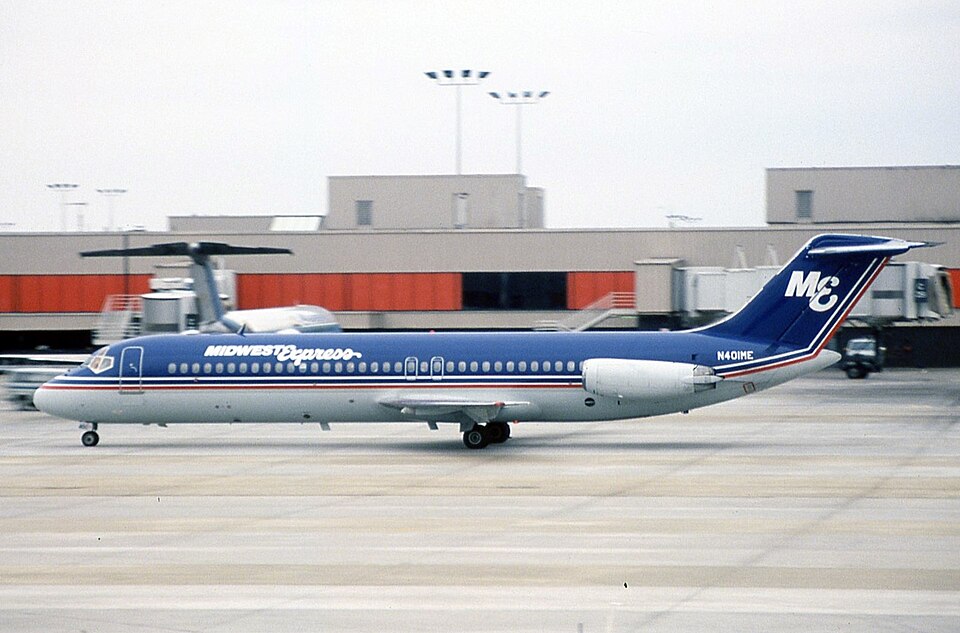
On November 17, 2014, at 1720 central daylight time, a Cessna 401A multi-engine airplane, registration N401ME, was substantially damaged after impacting terrain following a loss of engine power during takeoff at Elton Hensley Memorial Airport (FTT) in Fulton, Missouri. The two pilots and the passenger all sustained serious injuries. The airplane was registered to and operated by Heartland Air, LLC, of Mabelvale, Arkansas.
Flight Conditions and Flight Plan
Evening dusk visual meteorological conditions (VMC) prevailed at the time of the accident. An instrument flight rules (IFR) flight plan had been filed for the 14 Code of Federal Regulations Part 91 business flight. The intended destination was Memorial Field Airport (HOT) in Hot Springs, Arkansas.
Pilot and Witness Accounts
The pilot reported that immediately after takeoff, the right engine suddenly lost power, and he aborted the takeoff. When the pilot saw he would not be able to stop on the runway, he shut down the opposite engine. The airplane exited the end of the runway surface, impacted rough terrain, and came to rest upright. Fuel tanks were impact breached, resulting in a significant fuel spill; however, there was no postimpact fire. Several witnesses called 9-1-1 emergency and ran to the wreckage location to provide aid to the three injured persons.
Wreckage and Engine Examination
An on-scene examination of the wreckage revealed no evidence of preimpact mechanical malfunctions or failures that would have precluded normal operation. Both engines were removed and examined at Continental Motors, Inc. in Mobile, Alabama. The left engine was installed in an engine test cell and performed normally throughout the test cell procedure.
The right engine was installed in a test cell, and several attempts to start the engine were unsuccessful. Examination showed that the magneto distributor drive gears were not turning. Both magnetos were removed and replaced with a slave set of magnetos. The right engine then started and performed normally throughout the test cell procedure.
The original magnetos from the right engine were then disassembled, and both nylon magneto distributor gears had missing gear teeth and were observed to have discolored to a brown color. They were compared to a new nylon magneto distributor gear, which was white.
Maintenance History
A review of aircraft maintenance records for the right engine showed that, at the time of the accident, the right engine had been operated for about 8 years and an estimated 697 hours since the most recent magneto overhauls had been completed.
Weather Conditions
At 1653, the automated weather observing system at Columbia Regional Airport (COU), Columbia, Missouri, located about 10 miles west of the accident location, reported wind from 290° at 19 knots gusting to 24 knots, visibility 10 miles, scattered clouds at 5,000 feet, temperature minus 7°C, dew point minus 17°C, and an altimeter setting of 30.20 inches of Mercury. Data from the U.S. Naval Observatory showed that sundown occurred at 1653 and the end of evening civil twilight occurred at 1721.