History of the Flight
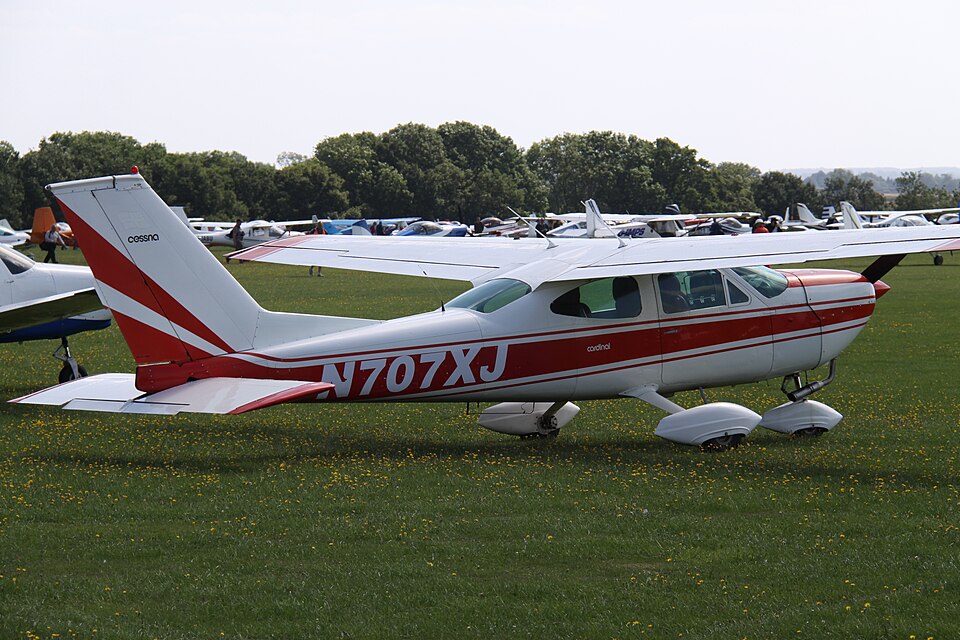
On 21 January 2017, a Cessna 177A, registration N707XJ, was returning to Navan Airfield (EIHH) from a general aviation gathering at Shannon Airport (EINN). The flight comprised two legs: EINN to Weston Airport (EIWT) and then EIWT to EIHH. Before departing EINN, the pilot used the aircraft's dipstick to measure fuel, finding 14 USG in the left wing tank and 12 USG in the right tank, totaling 26 USG. The left fuel gauge was inoperative, and the pilot distrusted the right one. He estimated fuel burn at 9 USG per hour and deemed the fuel sufficient.
The first leg from EINN to EIWT lasted about one hour and 20 minutes. One passenger deplaned at EIWT. During the second leg, while cruising north of Clarkestown Mast in County Meath at approximately 1,500 ft, the engine suddenly lost power and the propeller windmilled. After completing emergency drills, the pilot confirmed power could not be restored. He transmitted a MAYDAY call on 118.5 MHz and selected a field for a power-off landing. The aircraft touched down fast, bounced due to a significant downhill slope, and was steered diagonally to maximize ground run. It came to rest without damage or injuries.
Post-Event and Follow-Up
The pilot contacted Shannon Air Traffic Control by phone. The Air Accident Investigation Unit (AAIU) was notified and contacted the pilot. The pilot had determined that the fuel tanks were empty, indicating fuel starvation as the cause. The pilot planned to refuel and fly to EIHH, but the investigator advised caution until the reason for fuel starvation was clear.
Subsequent conversation revealed that the dipstick used to check fuel was actually for a Cessna 172, not the Cessna 177A. After verifying aircraft serviceability, the pilot refueled and flew back to EIHH without incident.
Two AAIU inspectors later visited EIHH to meet the pilot and inspect the aircraft. There was no damage. The pilot performed a phased filling of the tanks and manufactured a wooden dipstick calibrated for the 177A. The investigation compared the two dipsticks: the wooden 177A dipstick was non-linear at low fuel levels, meaning the Cessna 172 dipstick indicated 5 USG (over 20 L) when the 177A tank actually held only about 5 L. Specifically, the left tank indicated 12 USG but held 5.2 USG; the right tank indicated 14 USG but held 7 USG. Thus, the actual fuel load was 12.2 USG—less than half the indicated 26 USG—resulting in significantly reduced endurance.
Investigation Findings
The AAIU concluded that accurate fuel management is essential. The pilot relied on physical dipping due to inoperative gauges but used the wrong dipstick, leading to an erroneously high fuel estimate and overestimation of endurance. The pilot's actions after the power loss were commended for good presence of mind.