What happened
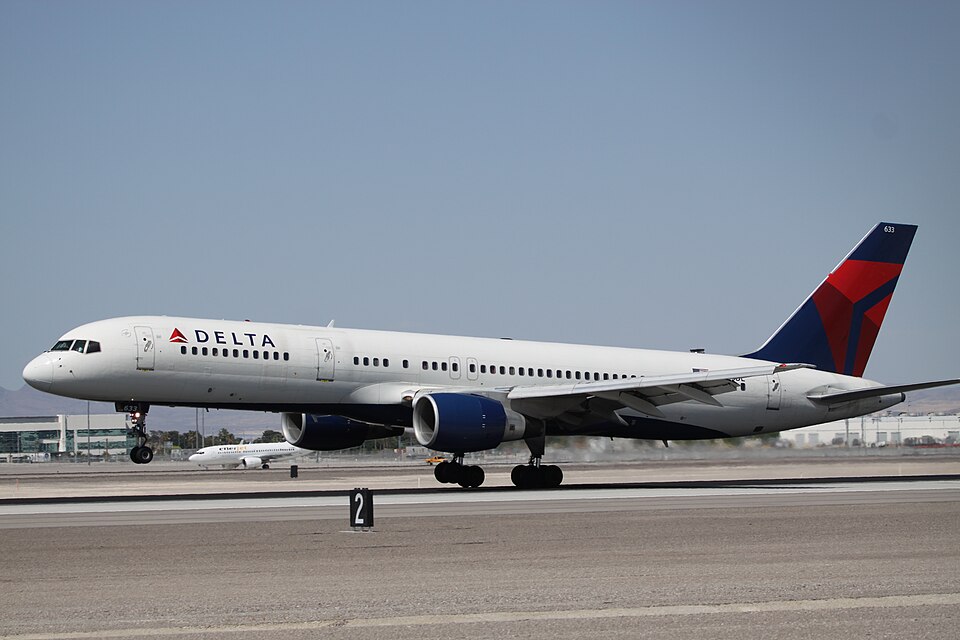
On May 20, 2017, at approximately 2118 EDT, a Boeing 757-232, registration N633DL, was completing a scheduled domestic passenger flight from Hartselle-Jackson Atlanta International Airport (ATL) to Raleigh-Durham International Airport (RDU). The flight, operated by Delta Air Lines as flight 2534, was cleared for a visual approach to runway 5L.
During the landing phase, the first officer, acting as the pilot flying, reported that the aircraft was slightly high and fast at the start of the landing flare. In an attempt to correct the flight path, the pilot pushed the nose down but subsequently overcorrected by pulling the control column aft. This maneuver caused the aircraft to land firmly on the main landing gear, at which point the aft fuselage impacted the runway. The captain noted that while the approach initially appeared normal, the abrupt pull back on the yoke just before touchdown led to the aircraft contacting the runway on both its main gear and its tail. There were no injuries among the 6 flight crew members and 180 passengers on board.
The investigation
Postflight inspections of the Boeing 757-232 revealed significant structural damage. An area of abrasion measuring approximately 8 feet long by 2 feet wide was found on the aft fuselage, affecting three skin panels. The inspection showed that the fuselage skin had been abraded through in multiple locations, causing damage to the underlying stringers and frames. Additionally, the forward and aft chords of the aft pressure bulkhead showed abrasion damage, and the lower web of the bulkhead was found to be buckled.