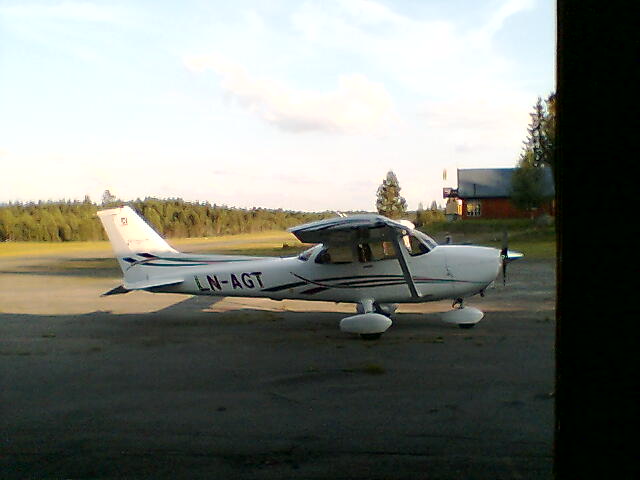
Incident Overview
On Saturday 23 January 2016 at approximately 13:30 local time, a Cessna 172S (registration LN-AGT) operated by Gjøvik og Toten Flyklubb departed Reinsvoll Flyplass (ENRV) in Oppland, Norway. The sole occupant was the pilot, who had not flown in two months and was not qualified for instrument flying.
Pre-flight and Departure
The pilot had checked weather briefings on 21 January and again on the morning of the flight, using sources including IPPC, TAF, METAR for Gardermoen, IGA-prognose, and Yr.no. While driving to the airfield, he observed low cloud cover. Upon arrival, he spoke with an instructor and a student who had just completed 12 circuits, reporting a cloud base at 700 ft above the field. The pilot decided to proceed. He inspected the aircraft and noted approximately 70 liters of fuel, sufficient for the planned five circuits plus reserves. Takeoff was from runway 16 with 10 degrees of flaps. The pilot climbed to 500 ft and retracted flaps, intending to stay just below the clouds.
Encounter with Instrument Meteorological Conditions
While passing about 500 ft, the aircraft flew through a cloud patch. At approximately 600 ft, it entered solid clouds. The pilot leveled off and executed a 180-degree left turn toward the downwind leg, hoping to regain visual contact with the runway. He briefly saw part of the runway but not enough to land. Facing rising terrain ahead, he then made a 180-degree right turn. During this turn, he noticed the aircraft descending with a relatively steep bank. He managed to correct the attitude and decided to climb above the clouds.
Climb and Subsequent Actions
The pilot climbed through the clouds, exiting into visual meteorological conditions at about 2,000 ft. He then made several attempts to find areas with visual flight conditions where he could land. After some time, he contacted air traffic control. ATC provided radar vectors, and the pilot successfully landed at Fagernes Airport Leirin after a total flight time of 1.5 hours. The aircraft sustained no reported damage, and no injuries occurred.
Investigation
The incident was not initially reported to the Norwegian Accident Investigation Board (SHT) but came to their attention through written reports from the pilot and Avinor. The SHT noted that the pilot's low threshold for contacting ATC was a success factor in the outcome. The investigation also highlighted the importance of planning with adequate margins, though no probable cause was assigned.