What happened
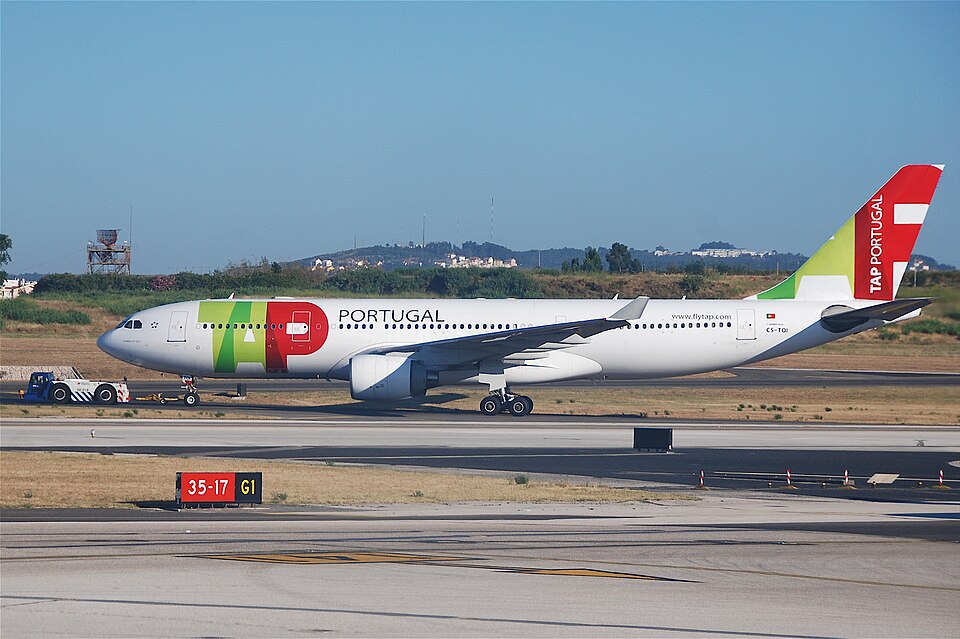
On October 19, 2014, at 20:10 UTC, an Airbus A330-223, registration CS-TOI, arrived at Simón Bolívar International Airport in Caracas, Venezuela, following a flight from Madeira International Airport. After receiving taxi instructions from air traffic control to proceed to parking position stand 25, the aircraft began its arrival maneuver guided by ground marshalling personnel.
During the docking process, the aircraft's number one engine made contact with the passenger boarding bridge. The impact caused significant damage to the engine, resulting in the aircraft being declared Aircraft on Ground (AOG) and rendered inoperable for flight.
The investigation
The GPIAA investigation examined the ground handling procedures, the configuration of the aircraft stand, and the composition of the ground crew. The inquiry focused on the accuracy of the marshalling signals and the physical markings available at the parking stand. The investigation also reviewed the coordination between the ground personnel, including the marshaller, the wing walker, and the headset operator.
Findings
Several critical factors contributed to the collision:
- The parking stand 25 lacked specific markings for the Airbus A33 of the A330 family.
- The ground handling team was incomplete; only three personnel were present instead of the standard four, as the aircraft arrived earlier than the service provider had forecasted.
- A cone used as a reference point for marshalling signals was placed incorrectly at position AB340.
- There was a lack of standardized procedures and clear lines of responsibility between the airport operations manual and the ground marshalling SOPs.
- The parking team lacked a defined hierarchy or leadership structure between the marshaller and the wing walker.
- Accumulated fatigue in the flight crew, following more than 12 hours of duty, may have reduced situational awareness during the taxi phase.
Safety action
Following the incident, TAP Portugal issued a digital warning to ground handling services to enhance safety during parking operations and updated its Operations Manual to correct references regarding ground markings and signals. The Airport Manager at Simón Bolívar International Airport subsequently implemented the safety recommendations provided by the GPIAA.
Two formal safety recommendations were issued:
- The Airport Manager should ensure that parking stands are clearly marked for the specific aircraft types using them, such as the A330, to assist marshallers.
- Ground handling companies should provide training for ramp personnel on manual marshalling procedures for use in the absence of an Advanced Visual Docking Guidance System (APIS).