History of the Flight
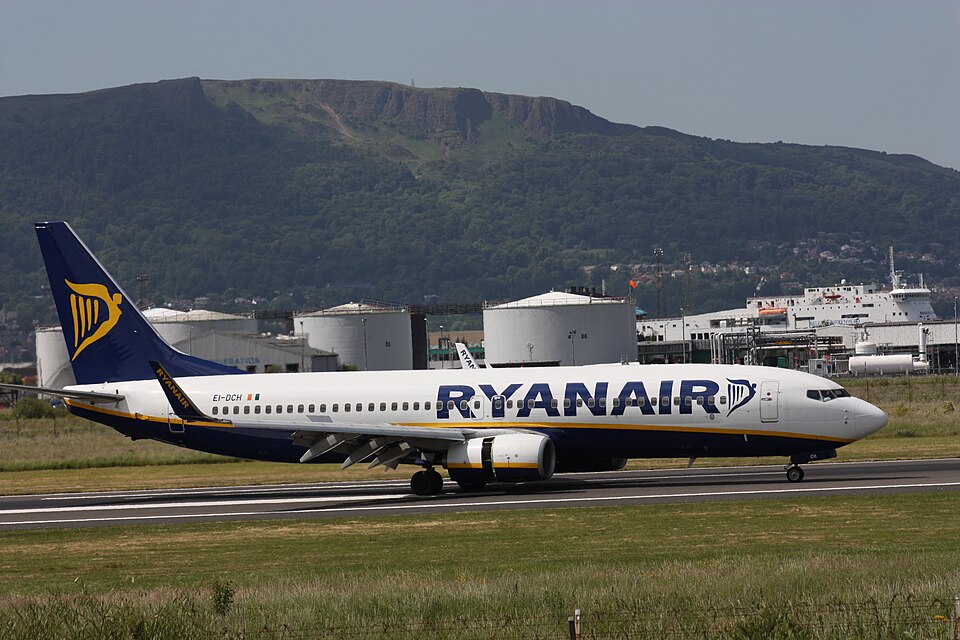
On 2 December 2017, a Boeing 737-8AS (registration EI-DCH) operated a positioning flight from Cologne Airport to London Stansted Airport with two pilots and four cabin crew. No passengers were on board. Earlier that day, the crew had operated a passenger flight from Stansted to Eindhoven but diverted to Cologne due to poor weather. The commander permitted the Number 2 cabin crew member to occupy a jumpseat in the flight deck during the descent and landing, expecting the remaining three cabin crew to secure the cabin according to operator procedures for flights with three cabin crew.
Landing and Accident Sequence
After a normal touchdown, brakes were applied. The commander heard a scream from the cabin and slowed the aircraft. The Number 2 left the flight deck to investigate. Shortly thereafter, the pilots were informed that the Number 3 cabin crew member might have a fractured leg, and they requested medical assistance upon arrival. After shutdown, the commander found the Number 3 lying on the cabin floor, blocking the main access door. During landing, a catering cart had dislodged from its stowage in the aft galley and traveled down the aisle, striking the Number 3, who was sitting in the aft-facing jumpseat assigned to the Number 4 at the front left side of the cabin. An engineering check found no fault with the catering cart's latching system.
Injuries and Aftermath
The Number 3 suffered a fractured left femur and a minor hand injury. The Rescue and Fire Fighting Service personnel were delayed in providing first aid because the main door was blocked. The casualty was later disembarked on a stretcher and taken to a local hospital via the operator's offices.
Cabin Crew Actions
After the flight, cabin crew reported that for takeoff the Number 2 sat in the forward left jumpseat, while other crew sat in passenger seats, believing this was allowed for a flight without passengers. During the flight, the Number 3 had moved the catering carts to place new bar seals. The Number 1 reported checking the carts' security after hearing the 10-minute landing call, believing they were correctly stowed. She then briefly opened the flight deck door to inform the pilots the cabin was secure, despite knowing the Number 3 was still in the aft galley. No pre-landing security checks were performed in areas normally covered by the Number 2, as procedures for three cabin crew were not followed when the Number 2 was in the flight deck. Minutes before landing, the Number 3 moved forward and sat on the inboard jumpseat near the front left door, while the Number 1 and Number 4 sat in the front row of passenger seats. The Number 3 stated the aft catering carts appeared secure when he left.
Organizational Information
The operator's Safety and Emergency Procedures manual required all cabin crew to be in their seats before the cabin secure call, with assigned aft-facing seats: Number 1 and Number 4 at the front left door, Number 2 near the aft left door, and Number 3 near the aft right door. The manual also stated cabin crew must sit in assigned seats for takeoff and landing, and cabin security checks must be conducted on positioning flights. An internal investigation by the operator assessed that deceleration forces during landing were normal and could not explain how the cart unlatched. The operator reminded crews of procedures for positioning flights through a memorandum and included these procedures in recurrent training.