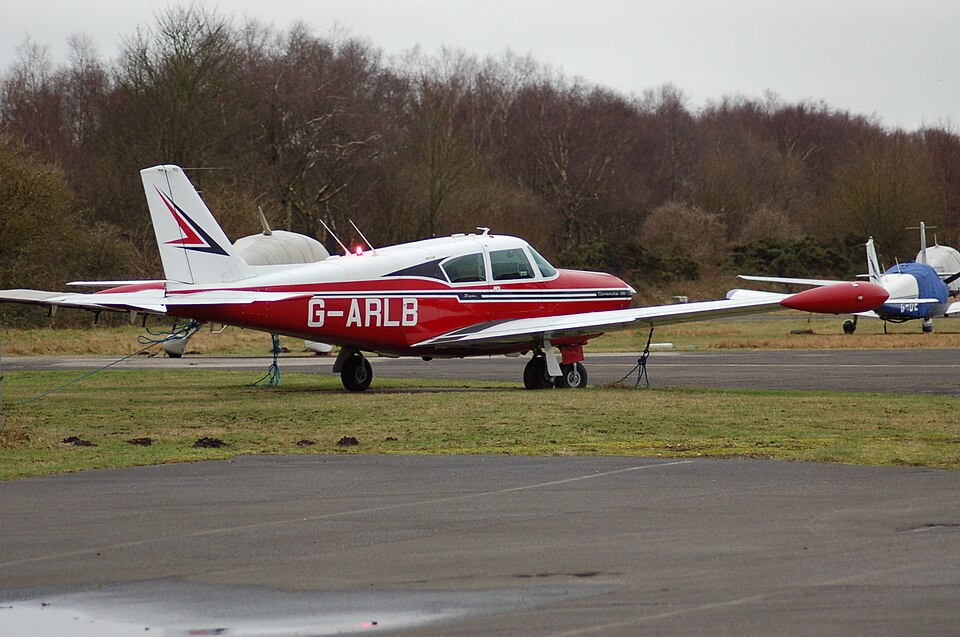
Accident Overview
On 11 June 2016 at 1330 hours UTC, a Piper PA-24-250 Comanche, registration G-ARLB, was involved in a hard landing at Old Buckenham Airfield, Norfolk. The aircraft was manufactured in 1960 (serial number 24-2352) and powered by a single Lycoming O-540-A1D5 piston engine. The flight was conducted under a Private Pilot’s Licence. The sole pilot, aged 54, held 1,541 hours of total flying experience, of which 1 hour was on type; his recent flying included 5 hours in the last 90 days and 5 hours in the last 28 days.
Sequence of Events
The aircraft was on approach to Runway 25 in conditions of good visibility with light and variable wind. The pilot reported that, at approximately 20 ft above the runway, he allowed the speed to reduce and began to flare the aircraft. Shortly thereafter, the aircraft touched down heavily on its main landing gear, and the nose of the aircraft "sank lower than expected." The propeller then struck the runway. The aircraft came to a halt on the runway, and all three occupants—one crew and two passengers—vacated the aircraft uninjured.
Aircraft Damage
Examination of the aircraft revealed damage to the propeller blades, lower engine cowl, nose leg, and left wing. Additionally, the engine was shock-loaded. Creasing on the underside of the left wing indicated a higher-than-normal rate of descent at touchdown.
Landing Gear Examination
The nose landing gear drag brace was found in an extended and slightly over-centre position, indicating that the nose gear was locked down during the approach. The nose gear piston had broken near its top. This breakage pattern suggested that the piston failed immediately on touchdown, before it had a chance to move into the nose gear cylinder under the weight of the aircraft’s nose section.