Background
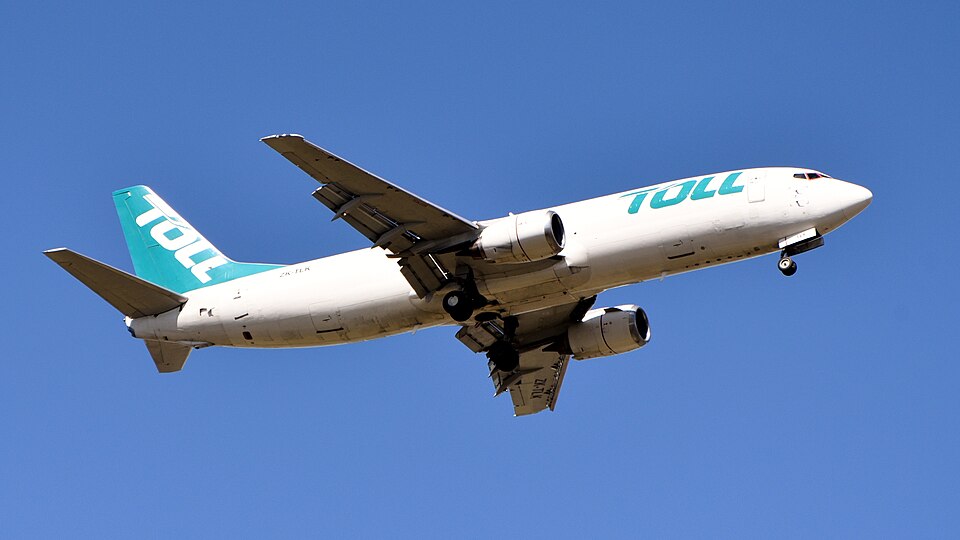
Several changes to the planned loading of the aircraft were communicated to the loading supervisor on the afternoon and evening of the incident. The loading supervisor incorporated the initial change to the lower compartment freight into their ramp report and communicated the plan to the staff. When the loading supervisor was notified that an aircraft swap would occur in Sydney, they were on the tarmac and performed a manual update to their ramp report. However, their manual update did not include the change in parking bay numbers.
Incident Details
The loading supervisor referred to their ramp report to direct the loading of the lower compartment freight planned for TLK and JTQ. The staff loading the upper compartments referred to their load instruction reports, which had the correct parking bays. At this time, the supervisor’s attention was divided between the freight loading activities and the overall progress of the loading of both aircraft against the approaching airport curfew time. Consequently, the supervisor directed the planned lower compartment freight for TLK to JTQ, and the planned lower compartment freight for JTQ to TLK.
Flight Operations
The pilot of TLK reported that the aircraft’s flight management computer determines the airspeed to be flown on final approach based on aircraft weight. They entered a zero-fuel weight into the flight management computer based on the planned load, which was less than the actual load. Therefore, the target airspeed flown was slower than required for the actual weight of the aircraft. As a result, the aircraft nose attitude increased in order to produce sufficient lift to maintain the approach flight path.