Incident Overview
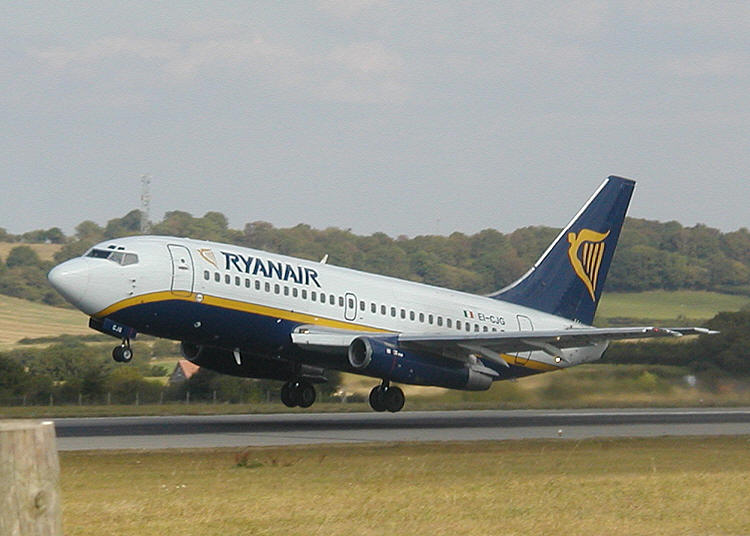
A Boeing 737-204ADV, registration EI-CJG, operated a public transport flight from Prestwick to Beauvais on 15 October 2002. At 0650 UTC, while level at FL330 approximately 25 nm north of Birmingham Airport, the pressurisation warning horn activated. The crew observed the cabin altitude had exceeded 10,000 feet and was climbing at about 400 ft/min.
Crew Actions
The crew initially attempted manual control of the cabin altitude. As a precaution, they requested ATC clearance to descend to FL250. They donned oxygen masks and performed the relevant checklist. During the procedure, it was noted that the cabin pressure control valve was in the closed position, yet the cabin altitude continued to climb. Unable to regain control, the crew initiated an emergency descent, notifying ATC, who cleared them to FL100 and maintained separation.
Cabin Altitude and Passenger Oxygen
Throughout the incident, the cabin altitude remained below 14,000 feet, the threshold for automatic deployment of passenger oxygen masks. However, when the senior cabin crew member was called to the flight deck for a briefing, they manually deployed the passenger oxygen masks. This action was consistent with company standard procedures, which train cabin crew to manually deploy masks if the pilots are seen wearing oxygen masks during a decompression and the masks have not deployed automatically.
Descent and Diversion
During the emergency descent, the commander noticed the cabin pressure, now under manual control, was descending rapidly at approximately 2,000 ft/min. He instructed the First Officer to reselect the pressure control to automatic. Subsequently, the cabin pressure descended at a normal rate of 500 to 700 ft/min. The aircraft levelled at 10,000 feet, and the crew requested a diversion to Stansted, where an uneventful landing was carried out. Emergency services were in attendance. The only reported medical issue was one female passenger who felt nauseous; after being examined by paramedics, she was able to continue her journey that day with the other passengers on another aircraft.
Engineering Investigation
After landing at Stansted, the aircraft underwent engineering checks, but no fault was initially found. The aircraft was then flown pressurised without passengers to the company's main engineering base for further investigation. There, an intermittent fault was discovered with the cabin pressure control valve. The cabin pressure controller and the pressure control panel were replaced before the aircraft returned to service.