Incident
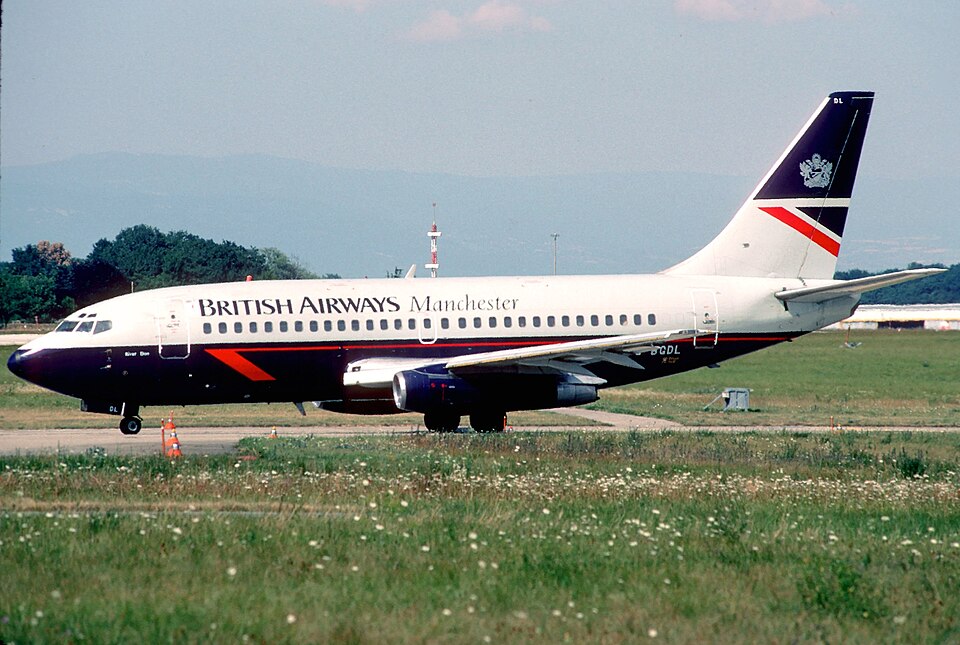
On 8 July 1999 at 0745 UTC, a Boeing 737-236 (registration G-BGDL) departed from London Gatwick Airport on a scheduled public transport flight with 6 crew and 63 passengers. Shortly after liftoff, as the landing gear was retracting at an altitude of approximately 100 to 200 feet above ground level, a loud bang was heard. The aircraft shuddered and experienced momentary roll oscillations. The flight crew checked engine indications, which showed both engines operating normally. However, a pungent smell soon became apparent in the flight deck and passenger cabin. A passenger reported seeing flames emanating from the left engine for a short period. The crew transmitted a 'Pan' call and returned to Gatwick, where the aircraft landed without further incident.
Inspection and Findings
Post-flight inspection revealed evidence of a bird strike on the No. 1 engine intake. One fan blade was damaged, and the constant speed drive (CSD) oil cooler matrix was blocked and damaged. Bird remains extracted from the engine were sent to the Birdstrike Avoidance Team at the Central Science Laboratory. Microscopic feather analysis identified the remains as coming from a pigeon.
Damage
Nature of damage was slight, limited to the left engine fan blade and CSD oil cooler. No injuries were reported among crew or passengers.