Synopsis
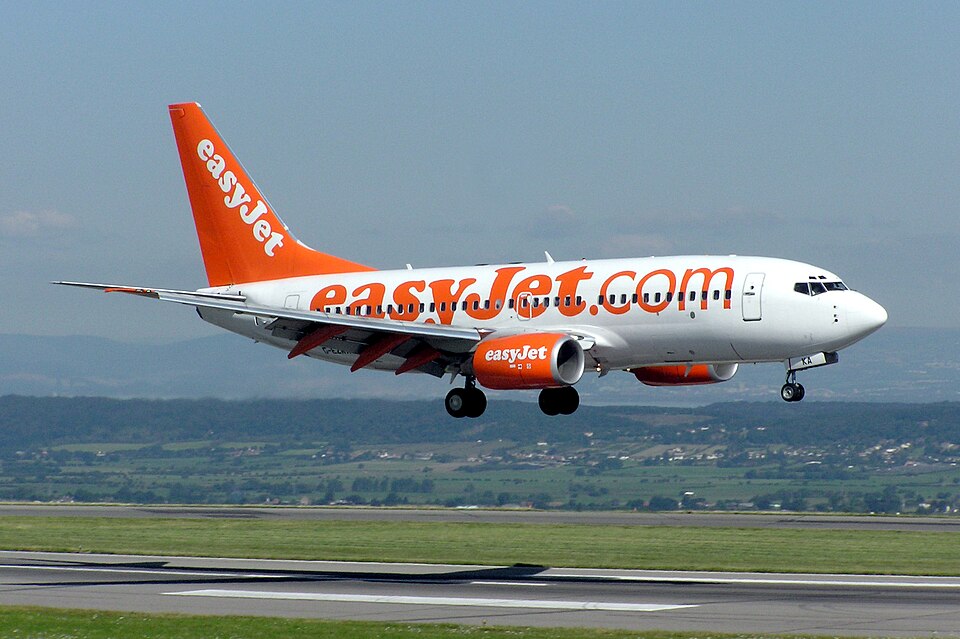
Prior to a scheduled flight from Newcastle to Budapest, a Boeing 737-73V (registration G-EZKA) was de-iced due to snow accumulation on the upper surfaces. During the subsequent takeoff, which was conducted as a 'No Engine Bleed Air Takeoff' using APU bleed air for air conditioning and pressurization, fumes and smoke entered the cockpit and cabin, causing some passengers to suffer eye and throat irritation. After the flight crew isolated the APU bleed air and switched to engine bleed air, the fumes dissipated. The aircraft returned to Newcastle, where passengers were offered medical attention.
History of Flight
During walkaround checks, the flight crew observed significant snow accumulation on the airframe, wings, and tailplane. After boarding, the aircraft was de-iced. Performance limitations required a takeoff with all available engine power, meaning both engine bleed air switches were off and APU bleed air was used. The taxi and takeoff were uneventful, but at about 300 ft in the climb, the commander detected a faint smell, and the first officer saw thick black smoke emanating from behind the commander's left shoulder. The smoke quickly filled the cockpit, prompting the crew to don oxygen masks. Cabin crew reported similar contamination in the cabin.
Suspecting APU bleed air contamination, the first officer isolated the APU bleed air and switched to engine bleed air, after which the fumes and smoke dissipated quickly. A PAN was declared, and the aircraft returned to Newcastle. Several passengers reported eye and throat irritation and were offered medical assistance upon landing.
Aircraft Examination
A detailed examination by the maintenance organisation found no defects with the aircraft, bleed air system, or air conditioning system.
Manufacturer's Information
The aircraft manufacturer's procedures for adverse weather operations and exterior de-icing specify that APU and engine bleed air switches should be turned off during de-icing to reduce the possibility of fumes entering the air conditioning system. The manufacturer also warns that ingestion of de-icing fluid into the APU can cause objectionable fumes and odors, as well as erratic operation or damage. The supplementary procedure for 'No Engine Bleed Takeoff and Landing' does not mention the possibility of de-icing fluid contamination of APU air during climb out after de-icing. The aircraft maintenance manual warns that fluid should not be directed at engine or APU inlets and exhausts.
Discussion
The most likely cause of the fumes and smoke was excess de-icing fluid entering the APU air inlet during the climb out. The fluid entered the hot sections of the APU, producing smoke and fumes that passed into the air conditioning system and then into the cockpit and cabin. The performance limitations for the takeoff required the use of APU bleed air, as engine bleed air was switched off for maximum thrust.
The operator has reminded personnel involved in de-icing to take care when de-icing in the vicinity of the APU inlet on Boeing 737 aircraft. A review of the CAA's Mandatory Occurrence Report database identified at least three previous similar occurrences on Boeing 737 aircraft, all attributed to excess de-icing fluid entering the APU air inlet during takeoff and climb.