Synopsis
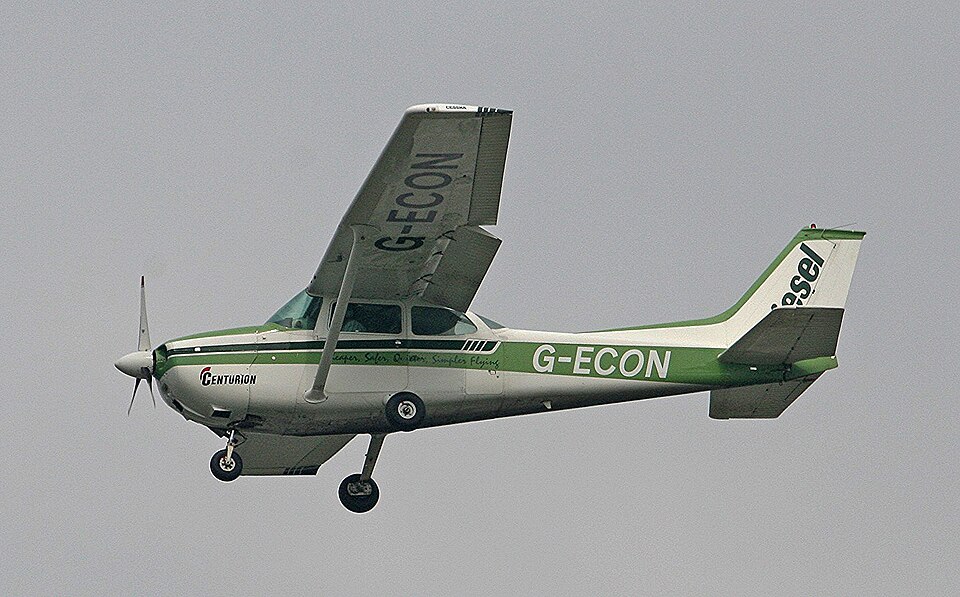
During the landing roll at Bournemouth Airport, the outer section of the left main wheel hub, tyre, and inner tube departed the aircraft. Four of six bolts clamping the hub together had wound out of their holes, and the first two to three threads in the remaining two holes were stripped. The wheel spat was also found broken away from its mounts.
History of the Flight
The pilot, a 70-year-old private pilot with 132 total flying hours (3 on type), was flying with two passengers from Dunkeswell to Bournemouth. Pre-flight inspection revealed no anomalies, and the aircraft taxied normally. During the takeoff run at Dunkeswell, the pilot felt a bump like hitting a pothole. Once airborne, the pilot and front passenger visually checked the mainwheels and spats; they appeared normal. The aircraft touched down normally at Bournemouth, but after traveling approximately 200 m along the runway, a loud noise occurred. The rear passenger then informed the pilot that the left main wheel had departed.
Aircraft Damage
The inner section of the wheel hub and bearing assembly remained attached to the axle by its retaining nut. The outer section, tyre, and inflated inner tube had separated. The wheel spat broke away in one piece and was found near the aircraft. The tyre was in good condition apart from rubbing marks on the outer sidewall. The bottom of the inner hub and brake disc had been abraded and slightly distorted from contact with the runway. Four of the six bolts were recovered with intact threads; one bolt had sections of thread pulled out of the inner hub holes. Of the six threaded holes, four were relatively undamaged, while two had stripped threads in the first two to three turns.
Maintenance
The hub was last assembled on 10 July 2009, approximately 71 flying hours before the incident, when the tyre was fitted. The bolts are required to be torqued to 190–200 lb-in; no locking compound or physical locking devices are used. The wheels were last visually inspected, with spats fitted, by the same maintenance organisation during a 50-hour inspection on 13 November 2009, about 19 flying hours prior to the incident.
Additional Findings
The morning after the incident, a pilot at Dunkeswell reported fibreglass pieces on the runway, later identified as coming from the outboard section of a wheel spat with G-ECON's colour scheme. The airfield operator confirmed the runway was in good condition with no potholes. The condition of the bolts suggests that either they were not fitted correctly, or the torque on all bolts released and vibration caused them to unwind. The pilot noted that inspecting the wheels with the spats fitted was difficult.