Incident Overview
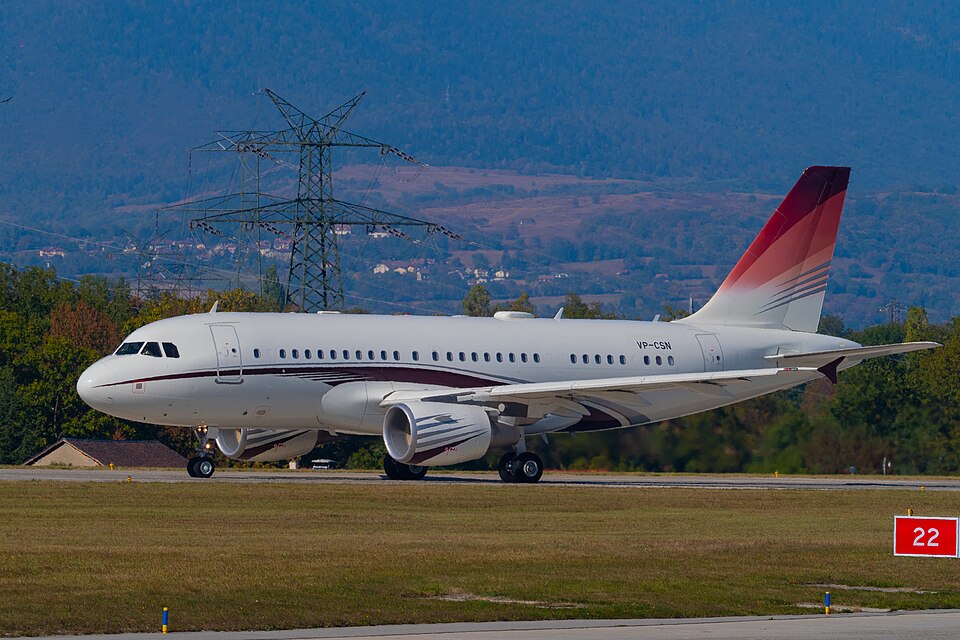
On 23 April 2003, a Cessna Citation 560 Ultra (registration VP-CSN) operating a public transport flight from Copenhagen to Edinburgh experienced deflation of both main landing gear tyres upon landing at Edinburgh Airport. The crew of two and five passengers were uninjured. Damage was confined to the tyres.
History of Flight
The flight proceeded normally from Copenhagen until the landing at Edinburgh. Weather conditions were good with a surface wind of 060° at 7 knots and a dry runway. After a normal touchdown on Runway 24, the commander applied the toe brake pedals and felt a fierce deceleration disproportionate to the pedal force. Realizing the main wheels might be locked, he quickly scanned the controls and observed that the parking brake selector was not fully in the OFF position. He was uncertain whether it was partially or fully ON but believed it was likely the latter. He immediately moved the selector to OFF, but by then both main tyres had deflated. The crew maintained control and brought the aircraft to a stop on the runway. The first officer evacuated the passengers, and the Airport Fire Service attended; no fire occurred.
Examination and Causes
Inspection revealed that the tyres had been abraded through and deflated due to lack of rotation, consistent with the wheels not rotating on the runway. No anomalies were found in the wheel braking system. The parking brake selector is a plunger type located at the lower left of the flight deck forward control panel, with a travel of approximately five inches between fully OFF (in) and fully ON (out). There is no cockpit indication of the parking brake position other than the selector's physical location.
The commander reported that several distractions immediately before departure from Copenhagen likely led to the parking brake not being fully released. These included a last-minute runway change to Runway 22L, requiring a revised taxi route and re-brief, an extended hold at the line-up point (during which pitot heaters were de-selected to prevent overheating), difficulty understanding an ATC request for wake vortex category, and hearing a landing aircraft report finals before receiving take-off clearance. Neither pilot could recall whether the parking brake was set while lined up.
The commander noted that the long runway at Edinburgh (11,811 feet) provided an unusual perspective, preventing the crew from detecting any degradation in take-off performance. Subsequent operator trials showed that the aircraft could be moved at speed with partial parking brake applied. The commander also observed that the operator's checklists, derived from manufacturer and training organization checklists, did not include a check that the parking brake selector is OFF during pre-takeoff or pre-landing checks. He arranged for the checklists to be amended to include such a check and notified the manufacturer and training organization, also raising a Mandatory Occurrence Report.