History of the Flight
The pilot departed from Stapleford Aerodrome for a local cross-country flight of approximately one hour. Weather conditions were good with a light southwesterly wind. Upon return, the pilot joined the circuit on the downwind leg for Runway 22L. This runway has 400 metres of asphalt followed by 677 metres of grass. Due to other traffic, the pilot turned onto a long final approach at 3 to 4 miles from the runway. Looking directly into the setting sun, he was unable to identify the airfield or ground features and initiated a go-around.
The second circuit was flown closer to the airfield. The pilot turned onto final approach with the runway in sight at about 1 nautical mile. During the roundout and flare over the runway, he was blinded by sun glare, resulting in a heavy bounced landing. The pilot maintained an aft elevator input, and the aircraft bounced several more times. He then applied power and performed another go-around. As the aircraft climbed away, the pilot discovered limited elevator authority. Using full power, he flew a circuit at low level and successfully landed on grass Runway 04L.
Damage
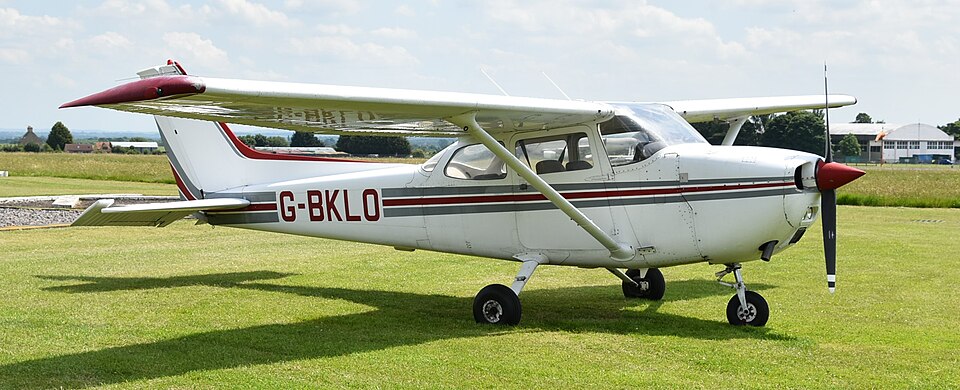
Inspection revealed creases in the forward bulkhead, lower fuselage skin, forward frame, and forward interior floor panel. The aircraft sustained significant damage.
Pilot Information
The pilot held a Private Pilot's Licence, was 48 years old, and had 320 hours total flying experience, with 25 hours on type. In the last 90 days, he had flown 15 hours, and in the last 28 days, 6 hours. No injuries were reported for the crew or passenger.