What happened
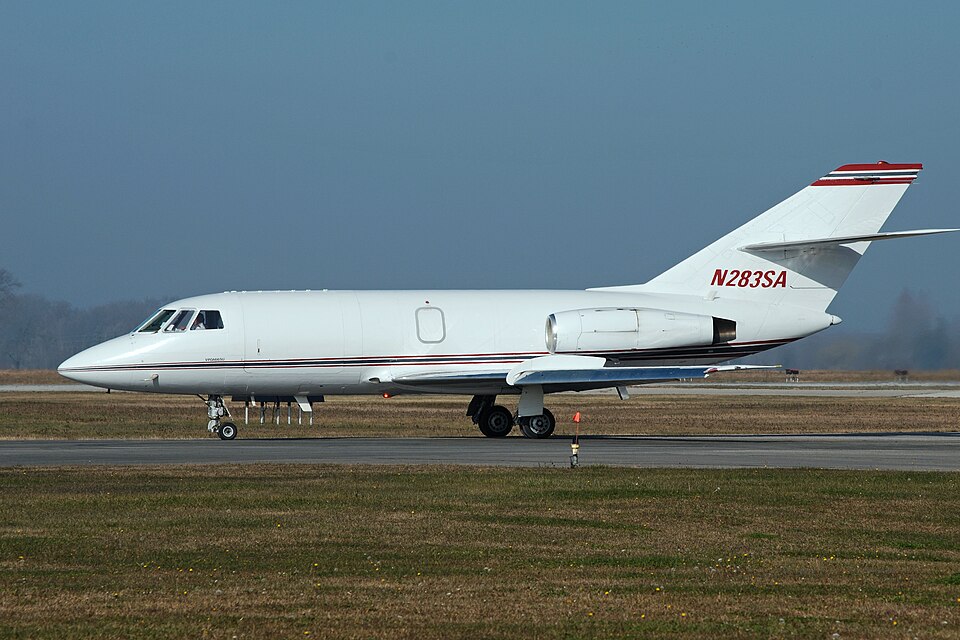
A two-leg on-demand cargo mission experienced a significant delay of over two hours at an intermediate stop due to late freight arrival. While the first leg was completed by the captain, the second leg was operated with the first officer as the pilot flying. During the flight, the crew inquired about NOTAMs regarding the instrument landing system (ILS) at their destination. The controller noted that the glidepath was unserviceable but indicated the localizer issue would not be in effect until later that morning.
As the aircraft approached within 15 miles of the final approach fix, the captain read back a clearance for an ILS approach. However, as they neared the fix, the captain reported having the airport in sight and cancelled the instrument flight rules (IFR) flight plan to proceed visually. The aircraft subsequently crossed the final approach fix while being high, fast, and off course.
Flight data and recordings indicate that the captain repeatedly directed the first officer to correct for these deviations. During this unstable phase, the engines were at a flight-idle setting, and standard altitude callouts were not performed. Rather than initiating a go-around, the captain instructed the use of air brakes to manage altitude and airspeed. Shortly after, the captain noted the aircraft was low and observed trees in the flight path. Despite sounds of increasing power, a stall warning was recorded. The aircraft impacted terrain approximately 0.70 nautical mile from the runway, resulting in the destruction of the plane and two fatalities.
Findings
The investigation determined that the crew continued an unstable visual approach at night. A primary factor was the captain's instruction to use air brakes during the approach, which violated operating limitations and caused the descent to fall below the glide path. Additional contributing factors included poor crew resource management by the captain, a failure to assume pilot flying duties when the first officer struggled with flight path corrections, and the operator's lack of a safety management system or flight data monitoring to detect such procedural non-compliance.