Incident Overview
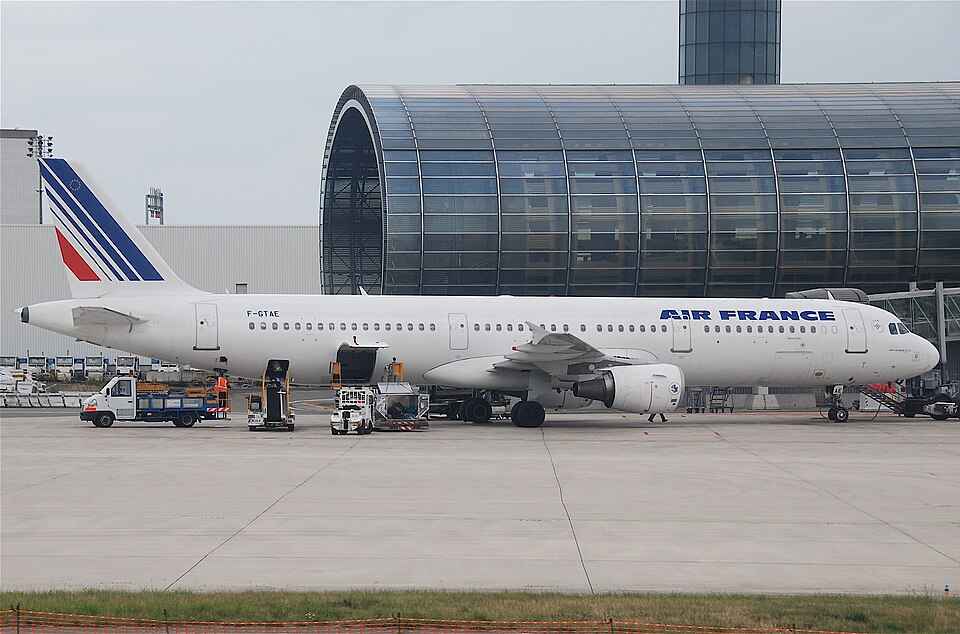
On March 10, 2011, at 10:58 UTC, an Air France Airbus A321-200 registered as F-GTAE experienced an activation of the high-incidence protection system while on approach to Marseille Provence Airport. The aircraft was operating flight AF662 from Paris Charles de Gaulle with 180 passengers and six crew members on board. No injuries or damage were reported.
Flight Sequence
The crew initially prepared for an ILS approach to runway 13R but switched to a secondary plan for runway 13L, requiring a 'bayonet' maneuver due to the advanced threshold of 13L. During this transition, the flight director and auto-thrust were disengaged for manual control. The pilot monitoring (PM) selected configuration 2 but inadvertently placed the flap lever in the '0' position instead of '3'. This error went undetected by the crew.
As the aircraft completed the bayonet maneuver, speed dropped to approximately 170 knots. The pilot flying (PF), observing a speed below the limit for landing configuration, misdiagnosed it as an instrument failure and applied significant back pressure on the control column. This action increased the angle of attack until the 'ALPHA FLOOR' mode triggered, automatically commanding maximum thrust. The crew subsequently retracted the gear, declared a go-around, and landed safely on runway 13R.
Contributing Factors
The investigation identified several key factors:
- Configuration Error: The PM moved the flap lever to '0' without verifying the final position or announcing it, violating standard procedures.
- Workload Management: The simultaneous execution of the bayonet maneuver and configuration changes increased crew workload. The lack of a detailed briefing on the specific risks of the 13L threshold offset contributed to this stress.
- Misdiagnosis: The PF attributed the low speed to an instrument fault rather than recognizing the loss of energy due to the retracted flaps, leading to inappropriate pitch-up actions.
Safety Recommendations
Following the incident, Air France implemented procedural changes. These include mandatory verification and announcement of flap positions immediately after selection, as well as guidelines encouraging the use of auto-thrust in managed speed mode during high-workload visual approaches to prevent low-energy states.