Occurrence Description
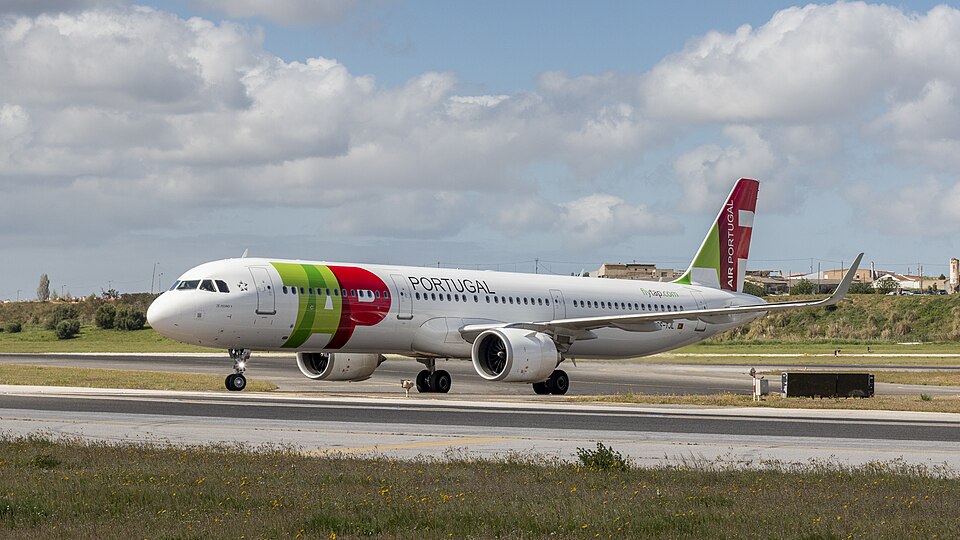
On October 23, 2023, an Airbus A321 Neo (registration CS-TJL) operated by TAP Air Portugal was conducting scheduled commercial flight TAP823 from Milan, Italy, to Lisbon, Portugal. At approximately 17:03 UTC, while cruising at Flight Level 370 over the Barcelona area, Spain, the co-pilot left the cockpit to use the lavatory. At 17:06:03, flight data recorders captured a peak in acceleration traces consistent with moderate turbulence (vertical: -0.316 g, lateral: -0.086 g, longitudinal: -0.109 g).
Two seconds later, at 17:06:05, the captain, alone in the cockpit, was alerted by an ECAM message: ENG2 SHUTDOWN. The co-pilot returned, and at 17:06:31 the crew declared an emergency to ATC and initiated a descent to Flight Level 220. During the descent, applicable ECAM procedures were performed, and two attempts to relight engine #2 were unsuccessful as there were no indications of structural failure. The flight crew decided to divert to Barcelona Airport (LEBL), where an uneventful landing was carried out.
While executing parking procedures, the crew observed that the engine #2 fire push-button switch (PB-SW) had disengaged (popped out) with its guard open. The aircraft sustained no damage, and all 7 crew and 194 passengers were unharmed. The aircraft returned to service after replacement of the fire panel (PN:335TS08Y01 SN:1960).
Investigation Findings
The GPIAAF (Portuguese Aviation Accident Investigation Authority) was notified at 20:41 UTC the same day and initiated a safety investigation. The investigation analyzed flight data parameters, including accelerations and the position of the fire handle. Using a data simplification model at one sample per second, it was observed that the triggering of the fire handle and crew alert occurred immediately after the acceleration variations. The operator’s fleet consists mainly of Airbus Neo versions, and the flight crew was duly authorized and met all requirements.
Conclusions
The investigation determined that the engine #2 shutdown resulted from a failure of the fire push-button switch, which caused the switch to self-release. No crew error or other contributing factors were identified.