Factual Information
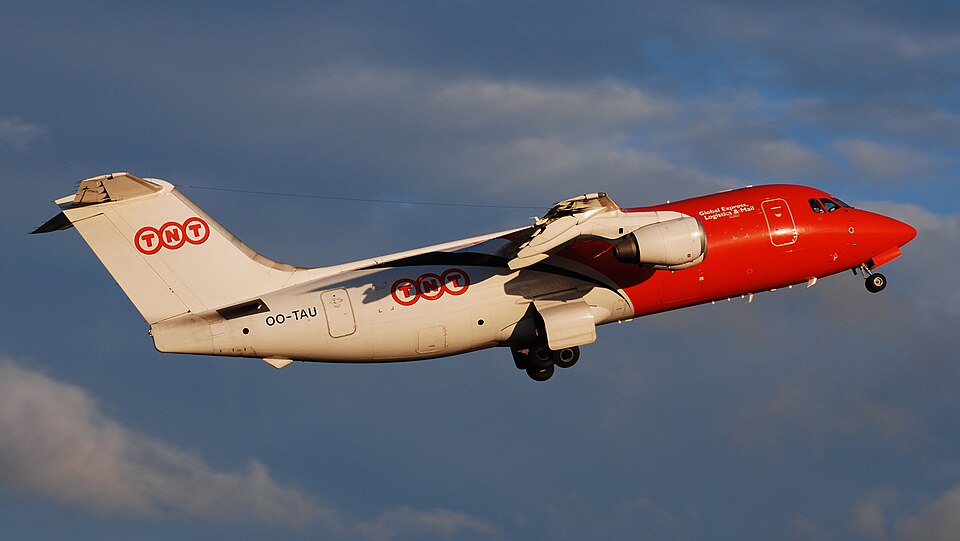
On 27 February 2009 at 20:10 UTC, a BAe 146/200 aircraft, registration OO-TAU, operated by TAY on behalf of TNT, was performing cargo flight TAY-747X from Lisbon Airport (LPPT) to Toulouse Blagnac (LFBO). The aircraft was cleared to line up on runway 03 following the departure of SNG-9921, a Boeing 767. The flight crew confirmed readiness for an immediate departure. SNG-9921 took off at 20:07:25. At 20:08:55, TAY-747X was cleared for takeoff, with the preceding traffic passing 1300 feet altitude. At 20:09:25, the tower informed TP-843, an aircraft on final approach, to continue its approach as the traffic was starting its takeoff roll. However, TAY-747X responded that it needed an additional minute to commence takeoff due to wake turbulence from the previous aircraft. The tower then instructed TAY-747X to vacate the runway via taxiway N2. The aircraft was unable to do so in a timely manner, forcing TP-843 to execute a go-around.
After returning to its base in Belgium, TAY-747X submitted an ATM incident report to the Belgian authorities, who subsequently contacted INAC (Instituto Nacional de Aviação Civil), which forwarded the case to GPIAA (Gabinete de Prevenção e Investigação de Acidentes com Aeronaves). Playback of communications allowed the reconstruction of events, which were transmitted to the Belgian authorities.
Analysis
According to applicable regulations and ICAO recommended practices, specifically Doc 4444 – ATM/501 PANS ATM, §5.8.3.1, the minimum separation between a light or medium aircraft and a heavy aircraft using the same runway is two minutes. In this instance, the pilot had declared readiness for takeoff and did not request an extended separation period. The takeoff clearance was issued 90 seconds after the previous departure, and the pilot reported needing an additional minute, two minutes after the preceding takeoff. A three-minute separation would only be required if the second aircraft departed from an intersection of the same runway (§5.8.3.2), which was not the case.
Conclusions
The analysis indicates that the delay in the takeoff of TAY-747X was not justified, and it resulted in the go-around of another aircraft (TP-843).