Narrative
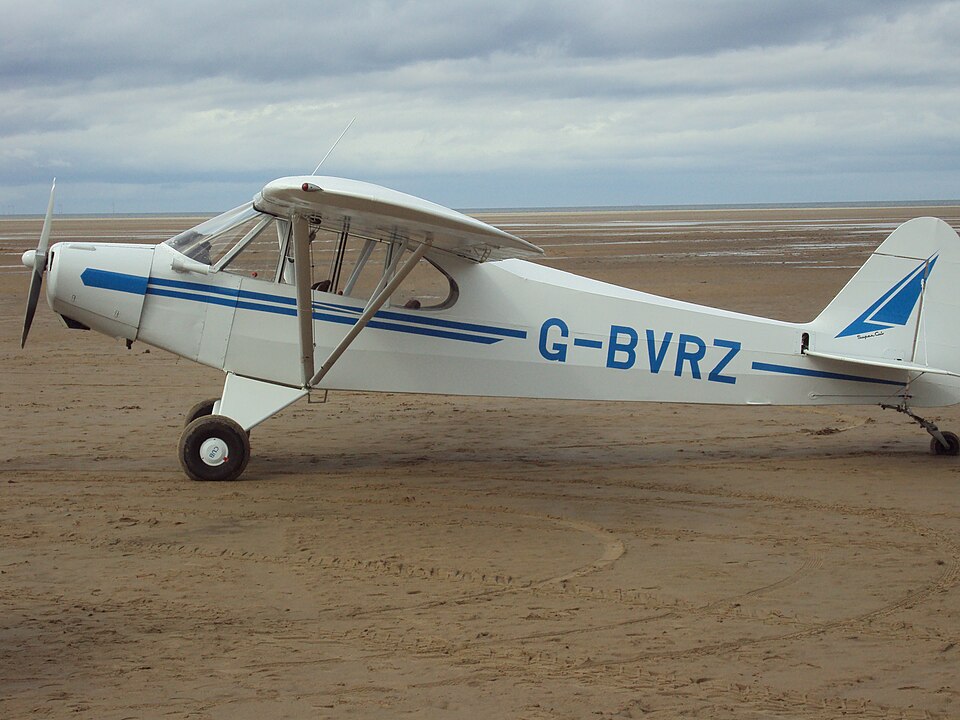
On 30 July 1998, at approximately 1000 hours UTC, a Piper PA-18 (registration G-BVRZ) was taking off from a grass strip at Kilrea, Northern Ireland. The aircraft was operating at close to its maximum weight. The runway in use was 26, and the surface wind was from the north-west at 8 to 12 knots. The aircraft became airborne after a ground roll of 180 metres, just before the start of an uphill section of the runway. The pilot held the aircraft close to the ground to accelerate but, upon clearing the crest of a hump in the runway, realised that the aircraft had insufficient speed to outclimb the rising ground ahead. The pilot decided to abandon the takeoff. He assessed that there was insufficient landing distance straight ahead, so he applied right rudder to yaw the aircraft into the wind, intending to reduce the landing distance. The application of rudder caused the right wing to stall; the aircraft rolled to the right and impacted the ground, coming to rest after a 180-degree turn.
Aircraft and Pilot
The aircraft was a Piper PA-18, manufactured in 1954, powered by a single Continental C90-12F piston engine. The pilot, aged 44, held a Private Pilot's Licence and had accumulated 171 hours of total flying experience, of which 101 hours were on type. In the 90 days preceding the accident, he had flown 10 hours, and in the last 28 days, 8 hours.
Injuries and Damage
Both the pilot and the single passenger were uninjured. The aircraft sustained substantial damage to the right wing and fuselage.
Probable Cause
The pilot attributed the cause of the accident to his decision to turn into wind using rudder at a low airspeed.