No fatalities

Piper PA-28-161 Strikes Lamp Post on Approach at Sandtoft (G-BHRC)

Sandtoft Airfield, Doncaster, GB

On January 17, 1999, a PIPER PA-28-161 (registration G-BHRC) was involved in an aviation accident near Sandtoft Airfield, Doncaster, GB. No fatalities were reported. Investigators recorded the probable cause as: The pilot considered the cause was flying too wide a circuit leading to a very long final approach, getting too low during the latter part of the approach, combined with bright sun restricting visibility. This summary draws on records from the UK Air Accidents Investigation Branch (AAIB); 4 related events involving the same aircraft type or operator are linked below.

Sourcesthe UK Air Accidents Investigation Branch (AAIB)Primary reportUpdated 2026-10-18Data APIEditorial standards
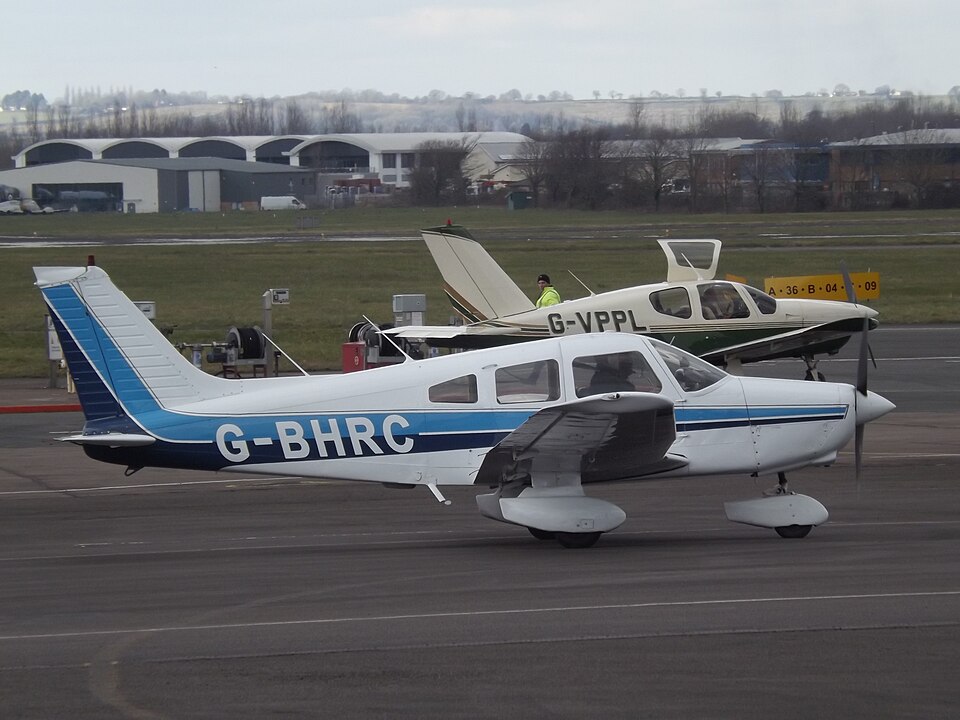
Aircraft registered G-BHRC
Aircraft registered G-BHRC. Photo: James from Cheltenham, Gloucestershire / CC BY-SA 2.0, via Wikimedia Commons

On 17 January 1999, a Piper PA-28-161 (G-BHRC) struck a lamp post during final approach at Sandtoft Airfield. The aircraft sustained substantial damage to the right wing, but no injuries were reported.

Accident Details

On 17 January 1999 at 1255 UTC, a Piper PA-28-161, registration G-BHRC, was on final approach to Runway 23 at Sandtoft Airfield, Doncaster, when its right wing struck a lamp post. The impact caused substantial damage to the right mainplane. Despite the collision, the pilot, assisted by the front-seat passenger who was qualified on the PA-28, was able to land the aircraft without further damage. There were no injuries to the pilot or the two passengers.

Aircraft and Pilot Information

The aircraft, manufactured in 1980, was powered by a single Lycoming O-320-D3G piston engine. It was being operated on a private flight. The pilot, aged 43, held a Private Pilot's Licence and had a total flying experience of 105 hours, including 23 hours on type. In the previous 90 days, the pilot had logged 11 hours, with only 2 hours in the last 28 days.

Environmental Factors

Runway 23 at Sandtoft has a displaced threshold due to several lamp standards rising to 23 feet above the runway, located within 23 metres of the start of the paved surface and in line with the runway. The pilot was aware of these obstructions and the displaced threshold. The weather at the time was fine, with a surface wind of 230°/15 kt. As the pilot lined up on final approach, her vision was restricted by glare from the bright sun, which was aligned with the runway.

Pilot's Account

The approach was normal until the aircraft was close to the runway, at which point it suffered a sudden loss of height. The pilot realised she was too low but could not correct the glidepath before the right wing struck one of the lamp posts. The pilot attributed the accident to flying too wide a circuit, resulting in a very long final approach that led to an excessively low altitude during the latter part of the approach, compounded by the restricted visibility from the bright sun.

Probable cause

The pilot considered the cause was flying too wide a circuit leading to a very long final approach, getting too low during the latter part of the approach, combined with bright sun restricting visibility.

All Piper PA-28 Cherokee accidents →

Frequently asked questions

What happened in the 17 Jan 1999 PIPER PA-28-161 accident near Sandtoft Airfield, Doncaster, GB?

On 17 January 1999, a Piper PA-28-161 (G-BHRC) struck a lamp post during final approach at Sandtoft Airfield. The aircraft sustained substantial damage to the right wing, but no injuries were reported.

Were there any fatalities in the 17 Jan 1999 PIPER PA-28-161 accident?

No fatalities were recorded in this accident.

What aircraft was involved and where did it happen?

The accident on 17 Jan 1999 involved a PIPER PA-28-161, registration G-BHRC, at Sandtoft Airfield, Doncaster, GB.

What was the probable cause of the accident?

The pilot considered the cause was flying too wide a circuit leading to a very long final approach, getting too low during the latter part of the approach, combined with bright sun restricting visibility.