History of the Flight
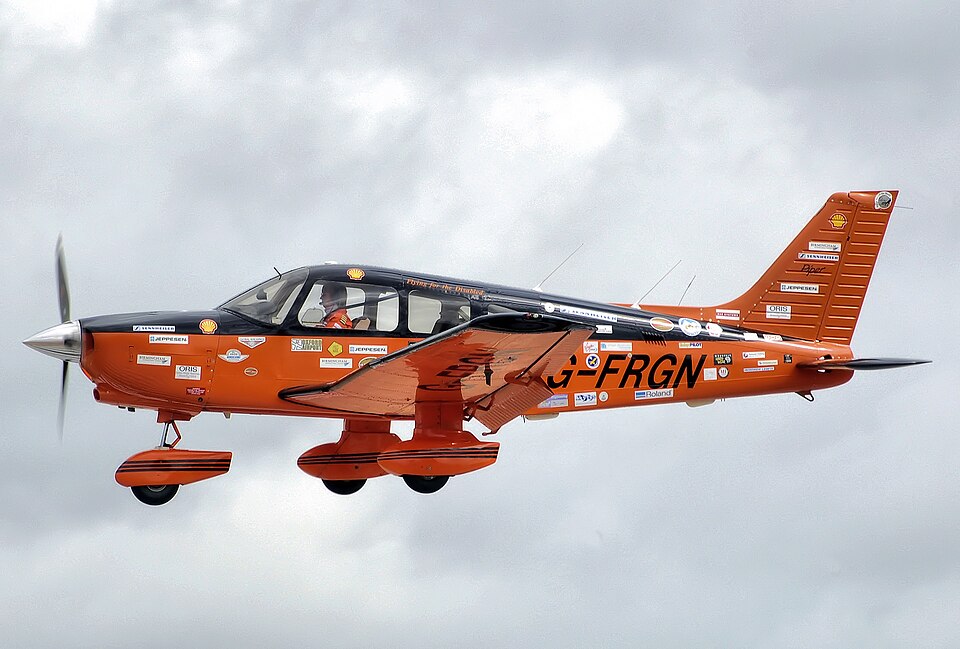
The aircraft, a Piper PA-28-236 Dakota registered G-FRGN, was returning to a private airstrip at North Moreton, Oxfordshire, following a flight from Oxford (Kidlington) Airport. The pilot, sole occupant, held a Commercial Pilot's Licence with 2,594 hours total experience, of which 2,300 were on type. The flight occurred on 29 June 2009 at 1545 UTC.
Approach and Landing
The pilot joined a left-hand circuit for Runway 35. Weather was generally good with a light easterly wind and CAVOK, but isolated heavy showers were present. Full landing flap was set, and the indicated airspeed was reduced on final approach to 72 knots. The approach was normal. The aircraft touched down approximately 200 meters into the 800-meter-long grass runway.
Landing Roll and Overrun
After touchdown, the pilot informed Benson ATC of the landing. About 100 meters after touching down, she applied the brakes. There was no retardation. The pilot initially thought the brakes had failed or that the aircraft was skidding on the grass surface. With insufficient distance remaining to initiate a safe go-around, she attempted to veer the aircraft to the left, but directional control was not available. The aircraft overran the end of the runway and impacted a substantial hedge. The pilot then isolated the aircraft's fuel and electrical systems and vacated the aircraft through the normal exit, uninjured.
Runway Conditions
The grass was wet from a recent heavy shower, and the runway surface had patches of standing water. The pilot had not been aware of this before landing. She stated that had she known, she would have touched down earlier, and immediate application of the brakes would have reduced the landing roll. The pilot also noted that the normal landing distance for the aircraft on that runway was approximately 350 meters using moderate braking.
Damage
The aircraft sustained damage to its port wing, propeller, engine mountings, and nose landing gear. The nose landing gear was sheared off.
Guidance Reference
The CAA’s General Aviation Safety Sense Leaflet 7, entitled Aeroplane Performance, advises that when landing on wet, slippery grass, the Landing Distance Required may increase by up to 60%.