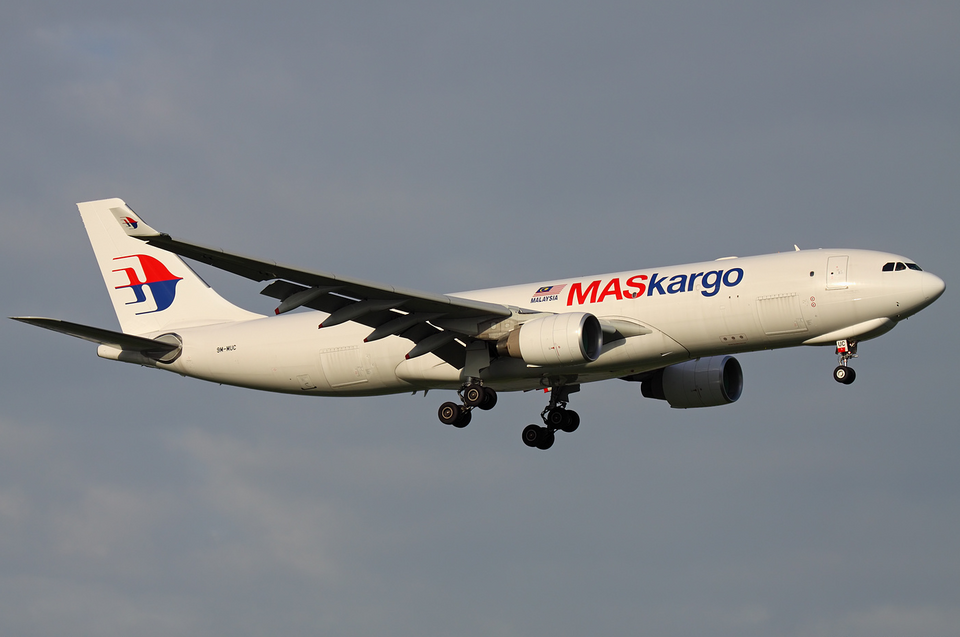
Flight History
On 29 June 2014, a Malaysia Airlines Airbus A330-200F, registration 9M-MUC, operated as Turkish Airlines flight TK 6490 from Istanbul (IST) to Astana (TSE). The aircraft landed on Runway 04 at 0753 UTC in daylight conditions. Astana Air Traffic Control cleared the crew to vacate via Taxiway 'C' and taxi to Gate 2 on the apron.
Apron Taxi and Collision
Upon entering the apron, the crew observed two separate taxi lanes adjoining Taxiway 'C': an inner lane and an outer lane. These lanes had no official designations on the ground or on airport charts. The inner lane ran between the main terminal bays and open bays 15-21; the outer lane ran along the southern side of bays 15-21. The crew noticed a wide-bodied aircraft being pushed back from Gate 10, which appeared to obstruct the inner lane. Because no aircraft were parked in bays 15-21, the crew perceived a clear path on the outer lane and decided to taxi there to keep clear of the aircraft at Gate 10. The crew did not clarify the route with ATC.
As the aircraft taxied on the centerline of the outer lane, it experienced a jolt. The left wing had struck a lamp-post, causing it to topple. The wing also contacted a smaller CCTV-mounted pole, scratching the underside of the wing. The impact damaged the number 6 slat leading edge. The crew were instructed by ATC to hold position and wait for a 'Follow-me' car. They then shut down the engine and disembarked.
Damage
The aircraft sustained damage to the number 6 slat leading edge and scratches on the underside of the left wing. The lamp-post was knocked down and the CCTV was knocked off its pole.
Injuries
No injuries were reported among crew or others.
Meteorological Information
Visibility was more than 10 kilometers in daylight with no significant adverse weather.
Aerodrome Information
The Aeronautical Information Publication (AIP) and aerodrome chart for Astana International Airport did not depict the multiple taxiway branches on the apron. The taxi lanes were unnamed on charts and on the ground. The LIDO Airport Ground Chart also did not show the outer and inner lanes. Astana Airport has ground radar and a 'Follow-me' car, but these are activated only when weather is below Approach Category 1 criteria.