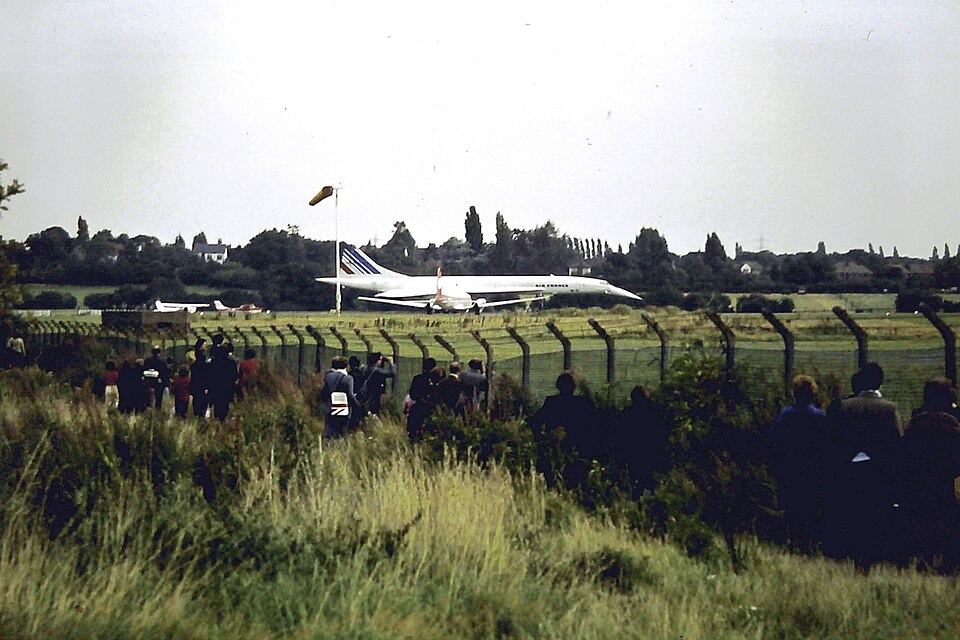
Investigation into the Concorde F-BTSC Crash at Gonesse

Casualties unknown • Gonesse, FR

An investigation into the July 2000 accident of an Air France Concorde reveals a complex chain of events involving tire debris, fuel tank rupture, and subsequent fire.

What happened

On July 25, 2000, an Air France Concorde, registration F-BTSC, was performing a takeoff from Paris-Charles de Gaulle Airport. During the takeoff roll, a significant failure occurred involving the aircraft's landing gear. The sequence of events led to a catastrophic release of fuel and a subsequent intense fire, causing the aircraft to crash near Gonesse, France.

The investigation

Investigators examined the wreckage, the runway debris, and flight data recorders to reconstruct the accident. The investigation focused on the destruction of fuel tank number 5 and the origin of the fire. Key elements analyzed included the condition of the tires, the presence of metallic debris on the runway, and the structural integrity of the wing's lower surface. Extensive computer simulations and impact tests were conducted to model how a piece of tire debris might have interacted with the aircraft structure. The investigation also scrutinized the electrical systems within the main landing gear bay to determine if they could have served as an ignition source.

Findings

  • A piece of metallic debris, identified as a strip from a worn tire, was found on the runway.
  • A large fragment of tire rubber, weighing approximately 4.5 kg, struck the underside of the wing.
  • The impact of the tire debris caused the rupture of fuel tank 5, leading to a significant fuel leak.
  • The investigation established that the fuel leak ignited within approximately one second of the tank's failure.
  • While several ignition sources were considered, including engine surges and hot engine components, the high energy of the initial flame suggested a rapid ignition event.
  • It was noted that electrical cables for the brake fans in the left main landing gear bay were potentially damaged by debris from a tire failure, making an electrical arc a highly probable cause of the initial ignition.

Probable cause

The accident was caused by the rupture of a fuel tank following an impact from tire debris, which led to a massive fuel leak that ignited, likely due to an electrical arc caused by damaged wiring in the landing gear bay.

Frequently asked questions

What happened in the 2000-07-25 MINISTERE DE L'EQUIPEMENT DES TRANSPORTS ET DU LOGEMENT - BUREAU D’ENQUETES ET D’ANALYSES POUR LA SECURITE DE L’AVIATION CIVILE - FRANCE Accident survenu le 25 juillet 2000 au lieu-dit La Patte d'Oie de Gonesse accident near Gonesse, FR?

An investigation into the July 2000 accident of an Air France Concorde reveals a complex chain of events involving tire debris, fuel tank rupture, and subsequent fire.

What aircraft was involved and where did it happen?

The accident on 2000-07-25 involved a MINISTERE DE L'EQUIPEMENT DES TRANSPORTS ET DU LOGEMENT - BUREAU D’ENQUETES ET D’ANALYSES POUR LA SECURITE DE L’AVIATION CIVILE - FRANCE Accident survenu le 25 juillet 2000 au lieu-dit La Patte d'Oie de Gonesse, registration F-BTSC, operated by Air France occured, at Gonesse, FR.

What was the probable cause of the accident?

The accident was caused by the rupture of a fuel tank following an impact from tire debris, which led to a massive fuel leak that ignited, likely due to an electrical arc caused by damaged wiring in the landing gear bay.

Loading the flight search…