Introduction
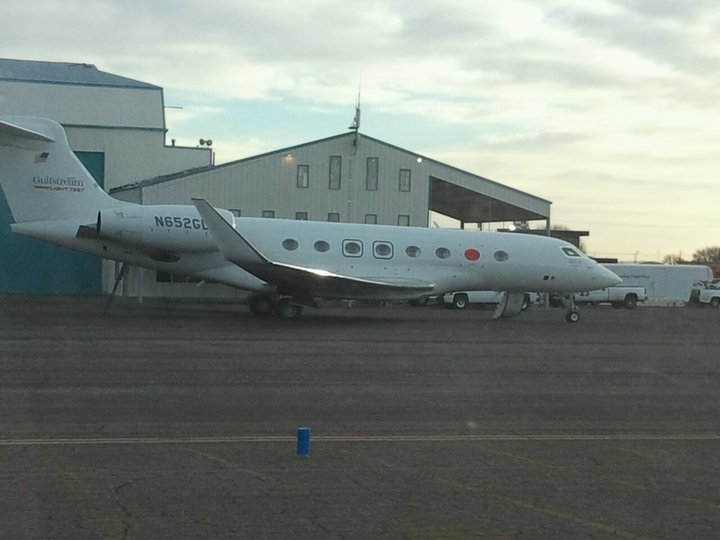
On April 2, 2011, at approximately 0934 mountain daylight time, an experimental Gulfstream Aerospace Corporation GVI (G650), registration N652GD, crashed while taking off from runway 21 at Roswell International Air Center, Roswell, New Mexico. The aircraft was operated by Gulfstream as part of its G650 flight test program under 14 Code of Federal Regulations Part 91. Visual meteorological conditions prevailed at the time of the accident.
Accident Details
The accident occurred during a planned one-engine-inoperative (OEI) takeoff. Shortly after takeoff, a stall developed on the right outboard wing, producing a rolling moment that the flight crew could not control. The right wingtip contacted the runway, and the airplane departed the runway to the right. After leaving the runway, it struck a concrete structure and an airport weather station, causing extensive structural damage. A post-crash fire ensued, which completely consumed the fuselage and cabin interior. The two pilots and two flight test engineers sustained fatal injuries, and the aircraft was substantially damaged by the impact and fire.
Investigation
The official investigation determined that the accident was caused by an aerodynamic stall and subsequent uncommanded roll during the OEI takeoff flight test. This resulted from Gulfstream's failure to properly develop and validate takeoff speeds for the flight tests, specifically the takeoff safety speed (V2), and to recognize and correct the V2 error during previous G650 flight tests. The flight test team persistently and increasingly attempted to achieve erroneously low V2 speeds. Additionally, Gulfstream's inadequate investigation of previous G650 uncommanded roll events indicated that the company's estimated stall angle of attack while the airplane was in ground effect was too high.
A contributing factor was Gulfstream's failure to effectively manage the G650 flight test program by pursuing an aggressive schedule without ensuring that team roles and responsibilities were defined and implemented, engineering processes had sufficient technical planning and oversight, potential hazards were fully identified, and appropriate risk controls were implemented and functioning as intended.
Probable Cause
Probable cause (official findings): An aerodynamic stall and subsequent uncommanded roll during a one-engine-inoperative takeoff flight test, which were the result of (1) Gulfstream’s failure to properly develop and validate takeoff speeds for the flight tests and recognize and correct the takeoff safety speed (V2) error during previous G650 flight tests, (2) the G650 flight test team’s persistent and increasingly aggressive attempts to achieve V2 speeds that were erroneously low, and (3) Gulfstream’s inadequate investigation of previous G650 uncommanded roll events, which indicated that the company’s estimated stall angle of attack while the airplane was in ground effect was too high. Contributing to the accident was Gulfstream’s failure to effectively manage the G650 flight test program by pursuing an aggressive program schedule without ensuring that the roles and responsibilities of team members had been appropriately defined and implemented, engineering processes had received sufficient technical planning and oversight, potential hazards had been fully identified, and appropriate risk controls had been implemented and were functioning as intended.