Introduction
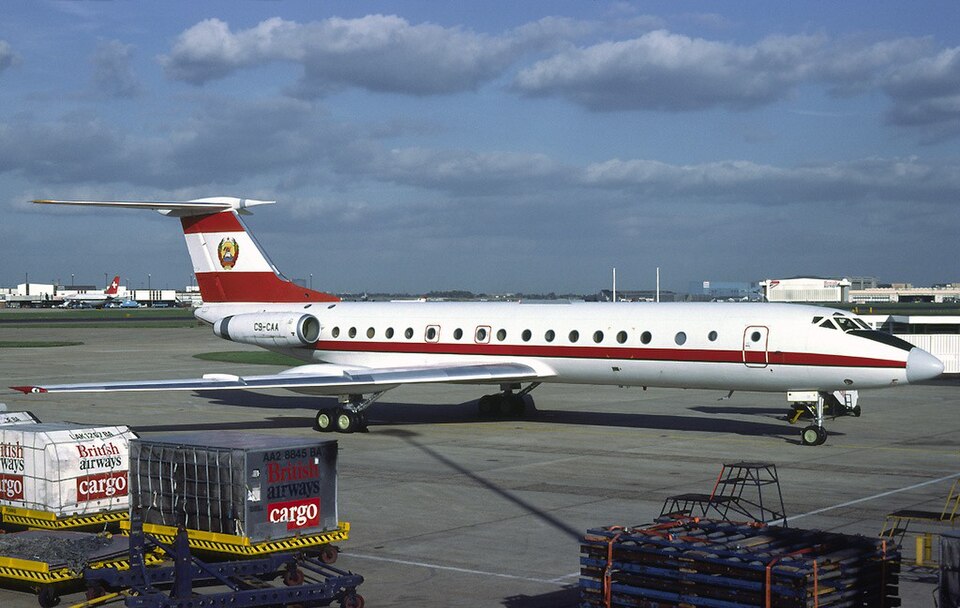
A Tupolev 134 aircraft departed Mbala (MMQ) in Zambia for a flight to Maputo (MPM) in Mozambique. The flight was carrying Samora Machel, the president of Mozambique, who had attended a meeting of African leaders in Zambia.
Incident Sequence
While approaching Maputo, the crew inadvertently selected the MATSAPA VOR frequency, leading to a premature 37-degree turn. Although one crew member queried the turn, no effort was made to verify the aircraft's position using available navigational aids. The aircraft descended below 3,000 feet despite the crew not having visual contact with Maputo. They erroneously assumed a power failure at the airport. A 32-second ground proximity warning system (GPWS) alarm was ignored. The aircraft collided with the ground at an elevation of 2,187 feet, bounced, and then crashed into an uphill slope.
Aftermath
The aircraft broke apart, slid across the border between South Africa and Eswatini, and caught fire. President Samora Machel, along with 33 other occupants, did not survive the accident.
Probable Cause
According to the official findings, the cause of the accident was that the flight crew failed to follow procedural requirements for an instrument let-down approach, but continued to descend under visual flight rules in darkness and some cloud, i.e., without having visual contact with the ground, below minimum safe altitude, and in addition ignored the GPWS alarm.