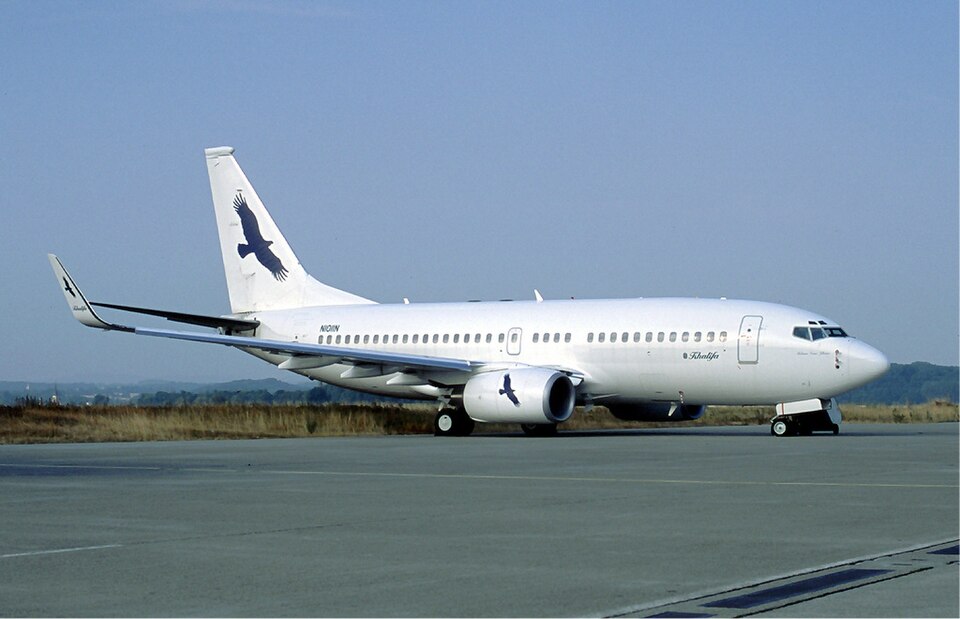
Incident Overview
A pilot reported that during arrival, the aircraft followed the ILS glide slope to touchdown approximately 1,000 feet down the runway. The landing was described as smooth. When the aircraft was about 100 feet from the intersection of Runways 1/19 and 10/28, the pilot observed a ridge of snow and ice across the runway. The aircraft was still traveling at approximately 50 knots, and the aircrew could not avoid the ice and snow.
Impact and Damage
As the aircraft crossed the intersection, a loud noise was heard. The landing gear aural warning horn activated, and the red light on the nose gear indicator illuminated. After stopping, an inspection revealed that the nose gear was bent aft and the fuselage was wrinkled. Additionally, the space between the nosewheel tires was found packed with ice.
Subsequent Investigation
Further investigation revealed that snowplow operators had been plowing snow on Runway 10/28 and turn-arounds had been made on Runway 1/19 before the aircraft, registration N1011N, had landed.