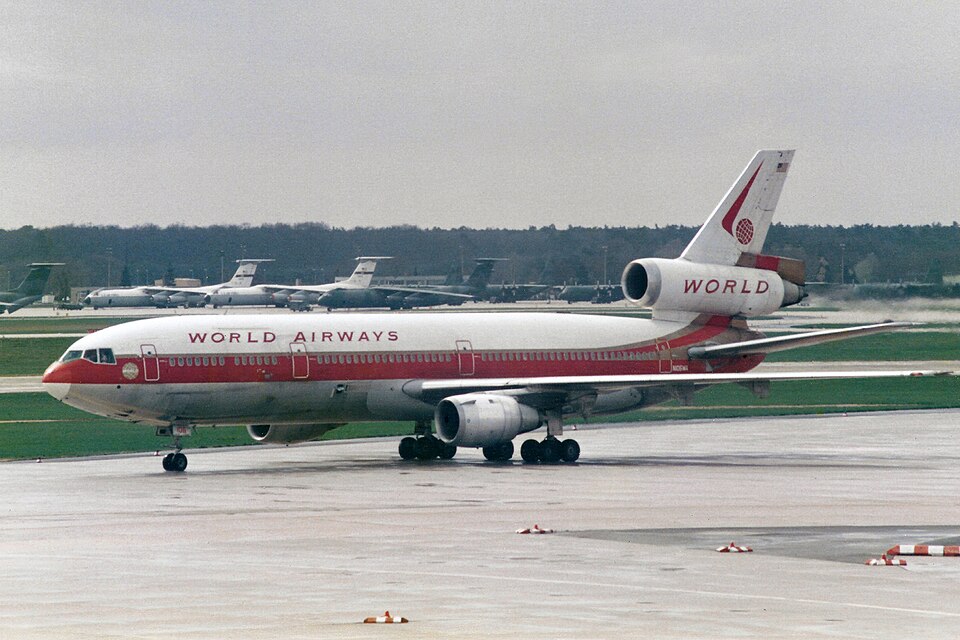
DC-10F Yaw Control Discrepancy at Cruise Altitude

Casualties unknown • Chantilly, VA, US

A DC-10-30F crew reported independent lateral movement of yaw controls during cruise. The issue was traced to a tension regulator assembly that required lubrication to restore proper cable tension.

What happened

During a flight phase where the aircraft had climbed to and leveled off at an altitude of 37,000 feet, the crew operating the DC-10-30F observed an anomaly in the cockpit controls. Specifically, the yaw control wheels for the captain and the first officer moved laterally independent of each other by approximately two inches. Despite this mechanical discrepancy, the flight continued without incident, resulting in an unscheduled but uneventful landing at Dulles International Airport.

The investigation

Following the arrival at the airport, maintenance personnel examined the aircraft's control systems. Inspections revealed that the left aileron cable tension regulator assembly had experienced a decrease in cable tension. Technicians applied lubrication to the unit, which caused the mechanism to jump to a new position. This adjustment successfully restored proper cable tension between the control wheel and the aileron control loop, resolving the issue.

Findings

The investigation determined that the root cause was mechanical wear or friction within the tension regulator assembly that necessitated maintenance intervention. In response to this finding, the operator revised their maintenance protocols. The lubrication schedule for these assemblies was changed from an 'on condition' basis to a fixed interval of every 2,500 hours, which equates to more than once a year.

Probable cause

Decreased cable tension in the left aileron cable tension regulator assembly due to insufficient lubrication intervals.

Frequently asked questions

What happened in the 1985-06-02 Douglas DC-10-30F accident near Chantilly, VA?

A DC-10-30F crew reported independent lateral movement of yaw controls during cruise. The issue was traced to a tension regulator assembly that required lubrication to restore proper cable tension.

What aircraft was involved and where did it happen?

The accident on 1985-06-02 involved a Douglas DC-10-30F, registration N106WA, at Chantilly, VA.

What was the probable cause of the accident?

Decreased cable tension in the left aileron cable tension regulator assembly due to insufficient lubrication intervals.

Investigation report by the U.S. National Transportation Safety Board (NTSB) historical archive. Original record: https://carol.ntsb.gov/event/20001214X36680. This page is a structured re-presentation; facts and quotes are in the National Transportation Safety Board (NTSB), United States.

Loading the flight search…