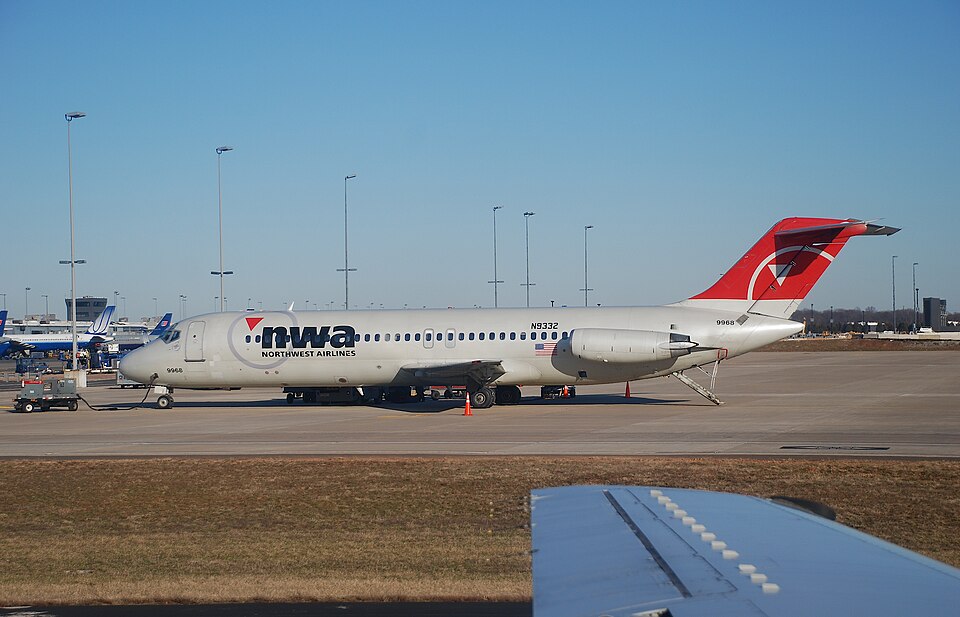
Incident Overview
During a flight, the aircraft encountered turbulence while flying in the vicinity of a thunderstorm. A flight attendant who was serving beverages at the time sustained a fractured lumbar vertebra. Radar data revealed that the aircraft was approximately 4 miles west, downwind of heavy weather.
Flight Crew Report
Just before the turbulence encounter, the flight crew reported that they were flying under "some pretty good overhangs."
FAA Guidance
FAA Circular AC 00-6A, titled "Aviation Weather," states: "Do avoid by at least 20 miles any thunderstorm identified as severe or giving an intense radar echo. This is especially true under the anvil of a large cumulonimbus."
Safety Systems
Reportedly, the seat belt sign was on when the turbulence occurred.