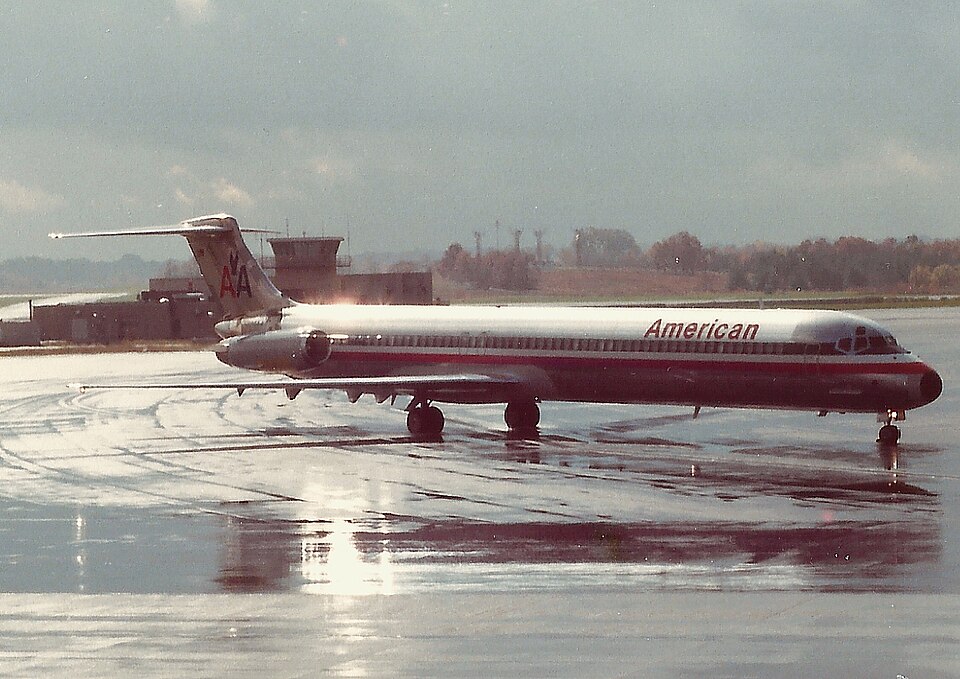
Mid-Air Conflict Between American Airlines Flight 637 and United Airlines Flight 441 at Chicago O'Hare

Casualties unknown • Chicago, IL, US

American Airlines Flight 637 experienced a near mid-air incident with United Airlines Flight 441 while climbing from Chicago O'Hare International Airport due to air traffic control errors involving transponder codes.

What happened

American Airlines Flight 637 was departing from Chicago-O'Hare International Airport (ORD) and was in the climb phase of flight, ascending through an altitude of 7,300 feet mean sea level. During this ascent, the aircraft came into close proximity with United Airlines Flight 441. The separation between the two aircraft was approximately 500 feet vertically and 1/4 mile horizontally.

The incident originated from a series of errors at the air traffic control facility. An air traffic assistant working the clearance delivery position at ORD had erroneously issued the same transponder code to both American Airlines Flight 637 and United Airlines Flight 441. This duplication created confusion in the radar display environment.

Subsequently, a trainee controller working at the west departure radar control position misidentified the radar target of United Airlines Flight 441 as that of American Airlines Flight 637. Acting on this mistaken identification, the trainee issued climb instructions intended for Flight 637 to the wrong aircraft. An instructor controller was present but did not recognize the error in time to intervene and correct the controller's action before the near collision occurred.

The investigation

The investigation focused on the operational procedures at Chicago-O'Hare International Airport, specifically regarding clearance delivery and radar control positions. Investigators examined the transponder code assignment process and the workload distribution among air traffic controllers. The inquiry highlighted the critical role of accurate target identification by radar controllers and the necessity of effective supervision for trainee personnel.

Findings

The primary contributing factor was the issuance of identical transponder codes to two different aircraft by the clearance delivery controller. This error directly led to the trainee controller's misidentification of flight targets. The lack of timely correction by the supervising instructor allowed the erroneous climb instruction to be issued, resulting in the unsafe proximity between the two commercial airliners.

Safety message

The incident underscores the importance of accurate transponder code management and strict adherence to separation standards during high-traffic departure phases. It also highlights the need for rigorous supervision and immediate intervention protocols for trainee controllers to prevent operational errors from escalating into safety hazards.

Probable cause

The air traffic controller's misidentification of a radar target due to duplicate transponder codes, compounded by the failure of the supervising instructor to detect and correct the error in time.

Frequently asked questions

What happened in the 1987-05-30 Mcdonnell Douglas DC-9-82 accident near Chicago, IL?

American Airlines Flight 637 experienced a near mid-air incident with United Airlines Flight 441 while climbing from Chicago O'Hare International Airport due to air traffic control errors involving transponder codes.

What aircraft was involved and where did it happen?

The accident on 1987-05-30 involved a Mcdonnell Douglas DC-9-82, registration N224AA, at Chicago, IL.

What was the probable cause of the accident?

The air traffic controller's misidentification of a radar target due to duplicate transponder codes, compounded by the failure of the supervising instructor to detect and correct the error in time.

Investigation report by the U.S. National Transportation Safety Board (NTSB) historical archive. Original record: https://carol.ntsb.gov/event/20001213X30889. This page is a structured re-presentation; facts and quotes are in the National Transportation Safety Board (NTSB), United States.

Loading the flight search…