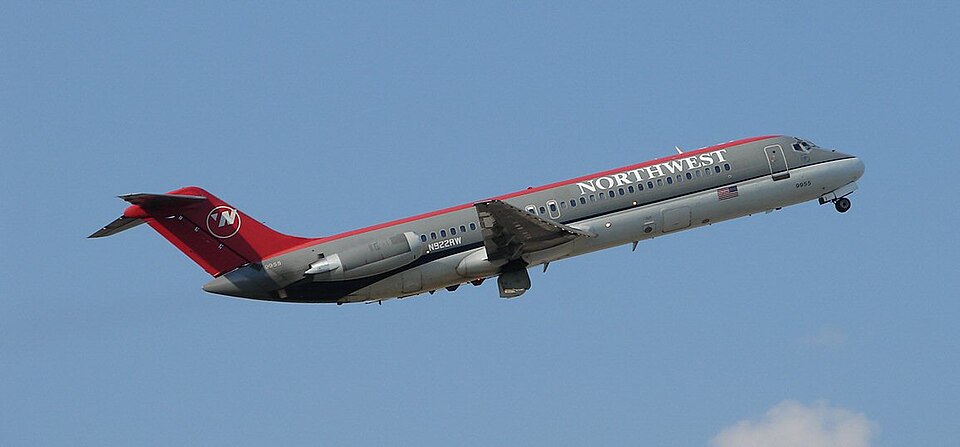
Event Summary
During cruise at flight level 350, the No. 2 generator constant speed drive (CSD) failed. The flight crew subsequently inadvertently disconnected the No. 1 generator CSD. Efforts to start the auxiliary power unit (APU) were initiated but aborted due to a hot start as the start attempt was made above the APU start envelope. The aircraft was then descended using emergency electrical power. A landing was conducted at an airport that was inadequate for the aircraft type.
Approach and Landing
The flight crew chose to execute a no-flap approach and to lower the landing gear using the emergency extension method, despite both flaps and landing gear systems being operable through normal means. This decision was influenced by the lack of landing gear and flap position indicators when the aircraft operates on battery power. The landing speed was fast, and the aircraft departed the end of the runway, resulting in damage to the landing gear and the No. 1 engine.
Evacuation
Following the landing, the crew failed to manually depressurize the aircraft. As a result, the evacuation was delayed until a knowledgeable passenger proceeded to the cockpit and depressurized the aircraft.
Operator Manual
The operator's aircraft operating manual did contain APU starting procedures; however, it did not include an APU start envelope chart.