Casualties unknown

1990-10-04: Mcdonnell Douglas DC-9-31 (N8923E) — Eastern Air Lines — Cape Canaveral, FL

Cape Canaveral, FL, US

On October 4, 1990, a Mcdonnell Douglas DC-9-31 (registration N8923E) operated by Eastern Air Lines was involved in an aviation accident near Cape Canaveral, FL. Investigators recorded the probable cause as: FAILURE OF THE CAPTAIN TO FOLLOW PROCEDURES, HIS IMPROPER IN-FLIGHT PLANNING/DECISION BY ALLOWING THE AIRCRAFT TO CONTINUE INTO THE OVERHANG (ANVIL) OF A THUNDERSTORM, FAILURE OF THE PASSENGERS TO ABIDE BY PROCEDURES/INSTRUCTIONS CONCERNING USE OF SEAT BELTS,… This summary draws on records from the U.S. National Transportation Safety Board (NTSB) historical archive; 2 related events involving the same aircraft type or operator are linked below.

Sourcesthe U.S. National Transportation Safety Board (NTSB) historical archivePrimary reportUpdated 1781061362Data APIEditorial standards
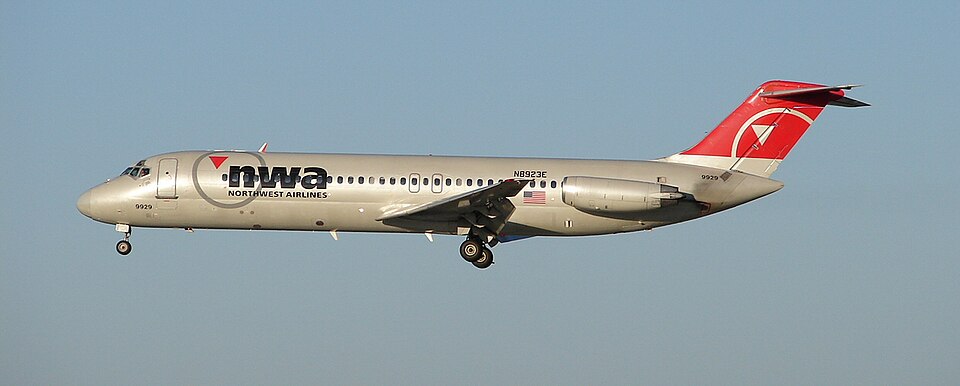
Aircraft registered N8923E
Aircraft registered N8923E. Photo: Cory W. Watts from Madison, Wisconsin, United States of America / CC BY-SA 2.0, via Wikimedia Commons

Eastern Airline Flight 791 encountered turbulence at 31,000 ft while flying through a thunderstorm overhang, contrary to company procedures. Three passengers suffered serious injuries; one died 20 days later. Twenty-three others had minor injuries.

Incident Overview

Eastern Airline Flight 791 encountered turbulence while cruising at an altitude of 31,000 feet. The aircraft was passing through the overhang of a thunderstorm, a maneuver that was contrary to the airline's flight operations procedures.

Injuries and Fatalities

Three passengers sustained serious injuries. One of these passengers, an 84-year-old, died 20 days after the accident. The medical examiner attributed the cause of death to aspiration pneumonia and pneumothorax due to blunt trauma resulting from the turbulence encounter. The examiner also noted that occlusive coronary atherosclerosis contributed to the death. Additionally, 23 passengers received minor injuries.

Circumstances of Injuries

According to flight attendants, all injured passengers were either standing in the aisle or lavatories or were seated without wearing seat belts. The seat belt sign had been illuminated since departure. Before departure, flight attendants had briefed passengers to remain seated with their seat belts fastened while the seat belt light was on. However, flight attendants indicated that they had not enforced the seat belt instruction.

Safety Procedures

The flight's operation through the thunderstorm overhang was not in compliance with the company's established flight operations procedures. The incident highlights the importance of adhering to operational guidelines and enforcing seat belt instructions during flight.

Investigation report by the U.S. National Transportation Safety Board (NTSB) historical archive. Original record: https://carol.ntsb.gov/event/20001212X24506. This page is a structured re-presentation; facts and quotes are in the National Transportation Safety Board (NTSB), United States.