Aircraft wing strike during landing flare

Casualties unknown • San Juan, PR, US

An aircraft experienced a loss of control during the landing flare, resulting in the right wing contacting the ground and the aircraft exiting the runway.

What happened

During the flare phase of landing, the captain and first officer reported that the right propeller beta light illuminated. Following this illumination, the aircraft yawed to the right and descended with the right wing low, which subsequently contacted the ground. The aircraft remained on the ground, traveled off the runway, and came to a stop in the grass adjacent to the runway.

The investigation

Following the accident, the aircraft was removed from the site. The following day, under the supervision of the FAA, the right engine and propeller underwent operational testing. This inspection revealed no evidence of malfunction regarding the fuel flow, propeller blade angle rigging, or a worn flight idle gate.

Probable cause

No definitive determination could be made as to the reason for the loss of control, though wake turbulence was suspected.

Frequently asked questions

What happened in the 1990-12-19 Casa C-212-200 accident near San Juan, PR?

An aircraft experienced a loss of control during the landing flare, resulting in the right wing contacting the ground and the aircraft exiting the runway.

What aircraft was involved and where did it happen?

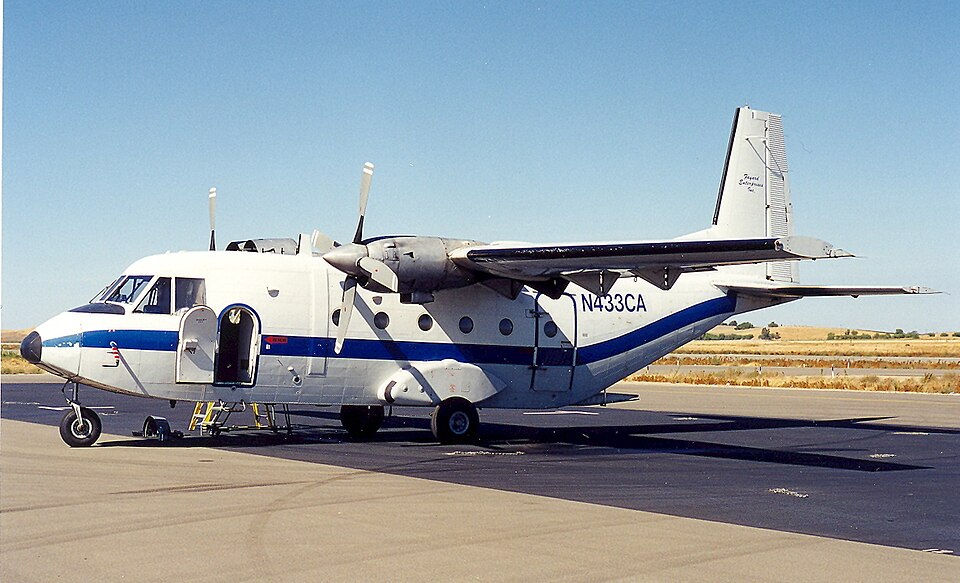
The accident on 1990-12-19 involved a Casa C-212-200, registration N433CA, operated by Executive Airline, Inc., at San Juan, PR.

What was the probable cause of the accident?

No definitive determination could be made as to the reason for the loss of control, though wake turbulence was suspected.

Investigation report by the U.S. National Transportation Safety Board (NTSB) historical archive. Original record: https://carol.ntsb.gov/event/20001212X24792. This page is a structured re-presentation; facts and quotes are in the National Transportation Safety Board (NTSB), United States.

Loading the flight search…