Incident Overview
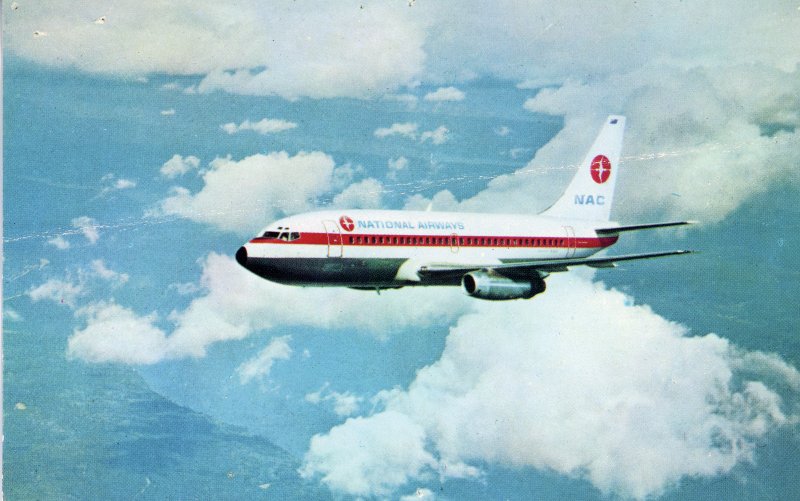
On a flight near Anchorage International Airport, a de Havilland DHC-8 (registration N680MA) and a Boeing 737 (registration N673MA) experienced a close proximity event. The DHC-8 was northbound under radar control approximately 8 nautical miles from the airport, while the B-737 was northeast-bound on approach to Elmendorf Air Force Base. Air traffic control had issued visual separation instructions to the DHC-8 pilot regarding the B-737.
Visual Separation Confusion
At the time of the advisory, the B-737 was in clouds. The DHC-8 pilot mistakenly identified a different B-737 for the one intended for visual separation. This misidentification led to the DHC-8 pilot believing separation was established when it was not.
TCAS Alert and Evasive Maneuvers
The traffic collision avoidance system (TCAS) alerted the first B-737 pilot of traffic approaching at his 2 o'clock position. In response, the B-737 pilot initiated a climb while in instrument meteorological conditions (IMC). Simultaneously, after seeing the B-737 emerging from the clouds, the DHC-8 pilot executed a rapid descent. These evasive actions occurred approximately 20 seconds before the tracks of the two aircraft would have crossed.
ATC Communication
Air traffic control for both conflicting aircraft was handled by the same position controller but on separate frequencies. The B-737 pilot was neither advised nor aware that the DHC-8 was providing visual separation from his aircraft, as per FAA Order 7110.65G. The B-737 pilot only became aware of the conflict upon the TCAS pull-up advisory and visual sighting of the traffic passing under and in front of his aircraft.