Casualties unknown

Nose Gear Separates After Ferry Flight to Anchorage (N673MA)

Anchorage, AK, US

On June 7, 1993, a Boeing 737-200 (registration N673MA) operated by Markair Inc. was involved in an aviation accident near Anchorage, AK. Investigators recorded the probable cause as: THE FAILURE OF THE NOSE LANDING GEAR INNER CYLINDER FROM AN OVERLOAD/OVERSTRESS CONDITION. This summary draws on records from the U.S. National Transportation Safety Board (NTSB) historical archive; 2 related events involving the same aircraft type or operator are linked below.

Sourcesthe U.S. National Transportation Safety Board (NTSB) historical archivePrimary reportUpdated 2026-06-10Data APIEditorial standards
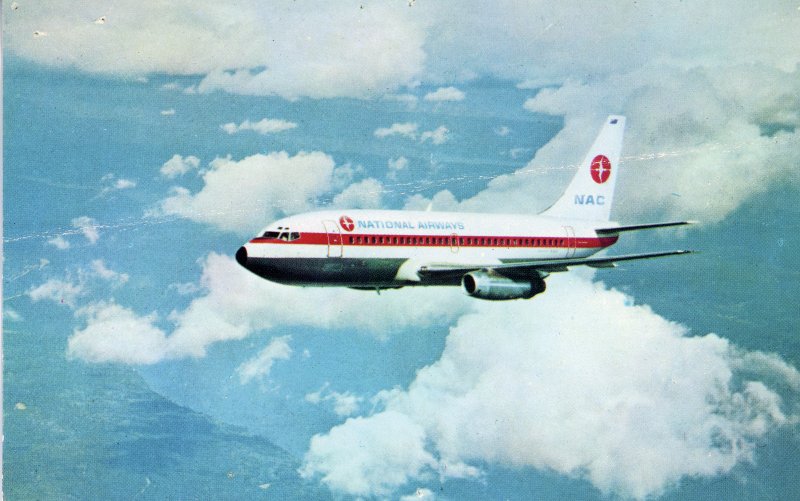
Boeing 737-200
Photo: San Diego Air & Space Museum Archives / Public domain, via Wikimedia Commons

After a grinding sound during taxi in Dillingham, a ferry flight secured the nose gear down, but upon landing in Anchorage, the gear separated. Examination indicated overstress fracture.

Incident Overview

While taxiing off the runway at Dillingham, Alaska, the flight crew heard a 'pop' and a 'grinding' sound. The airplane was subsequently ferried to Anchorage with the nose gear pinned in the down position. Upon touchdown in Anchorage, the nose gear separated from the airplane.

Examination Findings

A metallurgical examination of the affected components, primarily the nose landing gear inner cylinder, showed that the inner cylinder had separated close to the lower end near the axles for the tires. Visual examination of the fracture surface with the aid of a bench binocular microscope revealed features typical of an overstress separation including chevron marks over the majority of the fracture surface and the presence of a 45 degree fracture plane.

Contributing Circumstances

During the previous 12 month period, there were no 'hard' landings on record for the airplane.

Investigation report by the U.S. National Transportation Safety Board (NTSB) historical archive. Original record: https://carol.ntsb.gov/event/20001211X12495. This page is a structured re-presentation; facts and quotes are in the National Transportation Safety Board (NTSB), United States.