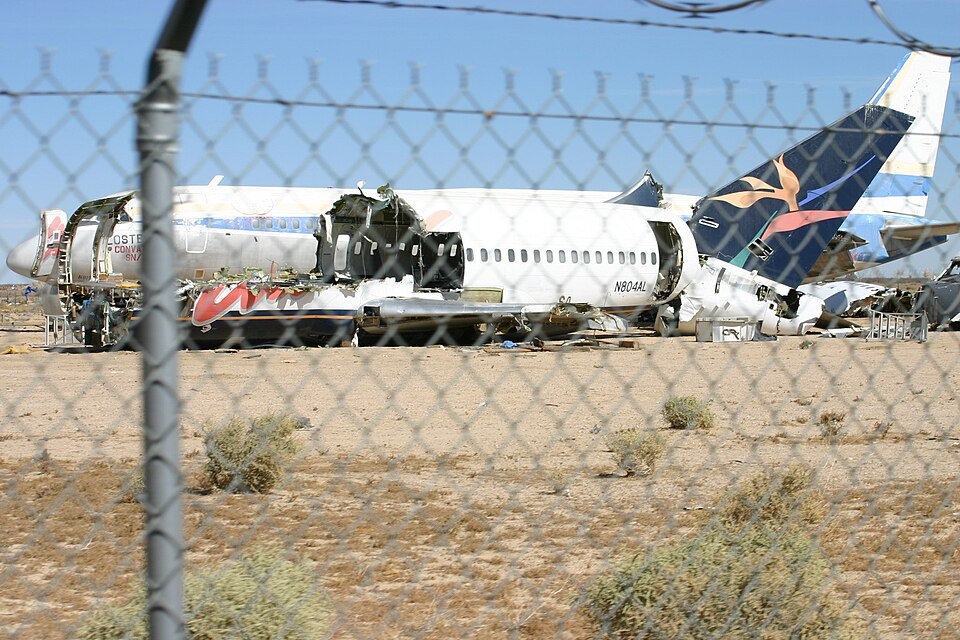
Emergency Evacuation Following Electrical Failure and Smoke Detection

Casualties unknown • Honolulu, HI, US

A flight crew initiated an emergency evacuation after experiencing multiple system failures and detecting smoke on the taxiway following a normal landing.

What happened

During the approach phase of the flight, the crew lowered the landing gear but observed that none of the gear position lights were illuminated. Prior to touchdown, the captain noted that both the interphone and the public address system were inoperative.

The aircraft completed a visual approach and achieved a normal touchdown. During the landing rollout, the crew discovered that the thrust reversers failed to deploy. After the aircraft exited the runway and transitioned to the taxiway, flight attendants reported the smell of smoke. In response, the captain stopped the aircraft on the taxiway and ordered an emergency evacuation. During the use of the emergency slide, one passenger sustained a minor sprain.

The investigation

An inspection of the aircraft revealed that a multiple system loss had occurred because the 28-volt DC battery bus went offline. Investigators were able to duplicate the condition during troubleshooting processes. The investigation identified the failed component as a battery transfer relay (R2). While smoke was reported by the crew, the specific source of the onboard smoke was not identified.

Probable cause

The failure of a battery transfer relay (R2) caused the 28-volt DC battery bus to go offline, resulting in multiple system failures.

All Boeing 737-800 accidents →

Frequently asked questions

What happened in the 1994-04-27 Boeing 737-209 accident near Honolulu, HI?

A flight crew initiated an emergency evacuation after experiencing multiple system failures and detecting smoke on the taxiway following a normal landing.

What aircraft was involved and where did it happen?

The accident on 1994-04-27 involved a Boeing 737-209, registration N804AL, operated by Aloha Airlines, Inc., at Honolulu, HI.

What was the probable cause of the accident?

The failure of a battery transfer relay (R2) caused the 28-volt DC battery bus to go offline, resulting in multiple system failures.

Investigation report by the U.S. National Transportation Safety Board (NTSB) historical archive. Original record: https://carol.ntsb.gov/event/20001206X01122. This page is a structured re-presentation; facts and quotes are in the National Transportation Safety Board (NTSB), United States.

Loading the flight search…