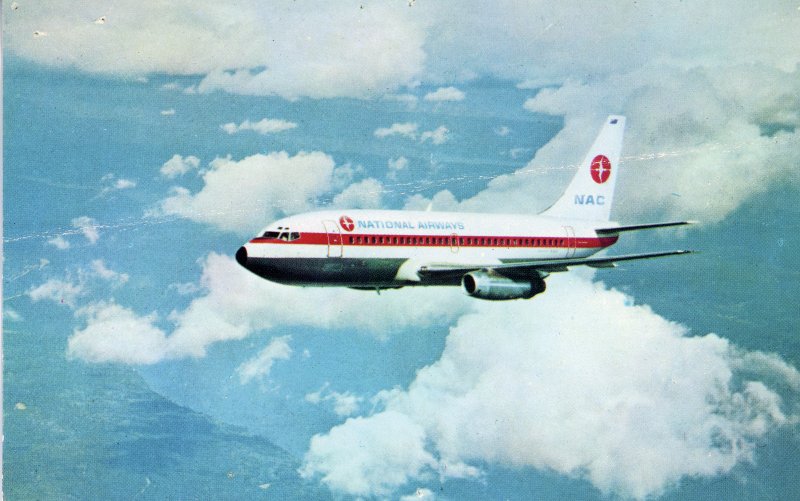
Aircraft Runway Excursion Due to Antiskid System Malfunctions

Casualties unknown • Atlanta, GA, US

An aircraft overran the runway during landing roll after a loss of braking action caused by crossed antiskid valve lines and wiring errors.

What happened

The flight proceeded normally until the aircraft reached the landing roll phase. During the rollout, the first officer felt the antiskid system releasing, prompting the captain to take control of the aircraft. While braking action was initially present, all braking effectiveness was subsequently lost. As a result, the aircraft departed the end of the runway and came to a stop in the grass approximately 200 feet past the departure end. The aircraft sustained a blown left outboard main tire during the excursion.

The investigation

An examination of the aircraft identified several mechanical discrepancies involving the antiskid system. Investigators found that the brake and return lines for the left inboard antiskid valve had been crossed. Additionally, the left inboard skid detect circuit was inoperative. Further inspection revealed that the wiring for the left inboard and left outboard wheel speed transducers had also been crossed. Evidence indicated that the aircraft had experienced hydroplaning near the departure end of the runway. These discrepancies had not been identified during antiskid system testing conducted approximately two weeks before the accident.

Probable cause

The loss of braking action was caused by crossed brake and return lines on the left inboard antiskid valve, crossed wiring for the wheel speed transducers, and an inoperative skid detect circuit, compounded by hydroplaning during the landing roll.

All Boeing 737-800 accidents →

Frequently asked questions

What happened in the 1995-01-19 Boeing 737-247 accident near Atlanta, GA?

An aircraft overran the runway during landing roll after a loss of braking action caused by crossed antiskid valve lines and wiring errors.

What aircraft was involved and where did it happen?

The accident on 1995-01-19 involved a Boeing 737-247, registration N4515W, operated by Air South, Inc., at Atlanta, GA.

What was the probable cause of the accident?

The loss of braking action was caused by crossed brake and return lines on the left inboard antiskid valve, crossed wiring for the wheel speed transducers, and an inoperative skid detect circuit, compounded by hydroplaning during the landing roll.

Investigation report by the U.S. National Transportation Safety Board (NTSB) historical archive. Original record: https://carol.ntsb.gov/event/20001207X02815. This page is a structured re-presentation; facts and quotes are in the National Transportation Safety Board (NTSB), United States.

Loading the flight search…