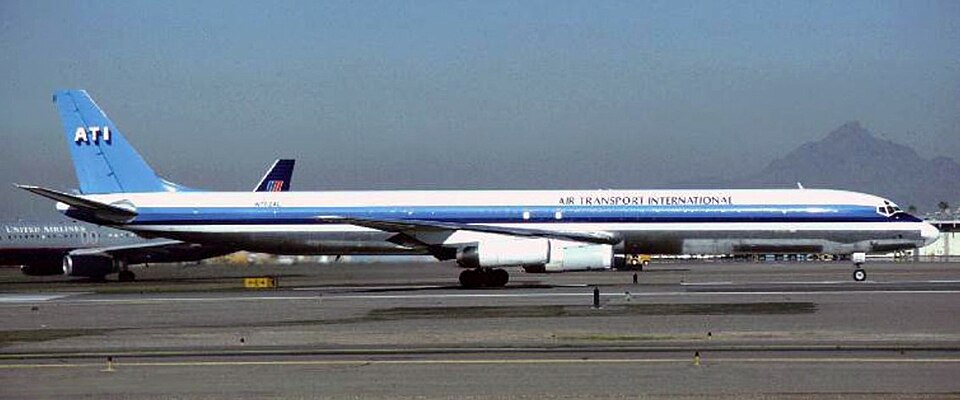
Accident Overview
The airplane crashed immediately after lift-off during a three-engine takeoff. The takeoff was part of a ferry flight.
Flightcrew Rest and Fatigue
The flightcrew had shortened their rest break prior to the flight. Rest periods were not required for ferry flights operating under FAR Part 91. The flightcrew was fatigued from lack of rest, sleep, and disruption of circadian rhythms.
Training and Procedures
The flightcrew did not have adequate, realistic training in three-engine takeoff techniques or procedures. They did not adequately understand three-engine takeoff procedures, including the significance of VMCG (minimum control speed on ground). The flight engineer improperly determined the VMCG speed, resulting in a value that was 9 knots too low.
First Takeoff Attempt
During the first takeoff attempt, the captain applied power to the asymmetrical engine too soon, was unable to maintain directional control, and rejected the takeoff. The captain then agreed to modify the prescribed procedure by allowing the flight engineer to advance the throttle, a deviation from standard procedure.
FAA Oversight
FAA oversight of the operator was inadequate. The Principal Operations Inspector (POI) and geographic inspectors were unable to effectively monitor domestic crew training and international operations. The existing FAR Part 121 flight time limits and rest requirements that pertained to the flights flown by the flightcrew prior to the ferry flight did not apply to the ferry flight, which was conducted under FAR Part 91.
One-Engine Inoperative Takeoff Procedures
Current one-engine inoperative takeoff procedures do not provide adequate rudder availability for correcting directional deviations during the takeoff roll compatible with the achievement of maximum asymmetric thrust at an appropriate speed greater than ground minimum control speed.