Casualties unknown

In-Flight Aileron Separation During Descent (N457TM)

Elko, NV, US

On June 29, 1995, a Boeing 737-200 (registration N457TM) was involved in an aviation accident near Elko, NV. Investigators recorded the probable cause as: in-flight separation of the aileron as a result of inadequate bonding. This summary draws on records from the U.S. National Transportation Safety Board (NTSB) historical archive; 2 related events involving the same aircraft type or operator are linked below.

Sourcesthe U.S. National Transportation Safety Board (NTSB) historical archivePrimary reportUpdated 2026-06-10Data APIEditorial standards
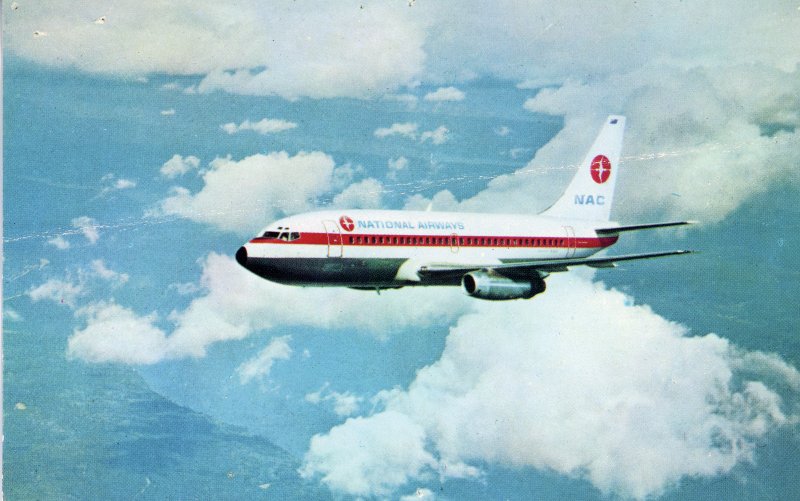
Boeing 737-200
Photo: San Diego Air & Space Museum Archives / Public domain, via Wikimedia Commons

While descending through FL250, a crew experienced unusual vibration. A flight attendant reported part of the right wing missing. The aircraft landed safely. Examination revealed 1.5 feet of the right aileron had separated. The aileron had undergone major repair in 1990 and was installed in 1992. Adhesive flow was minimal, possibly due to expired adhesive.

Incident Summary

During a descent through flight level 250, the flight crew detected an unusual vibration. In response, they reduced speed, which led to a decrease in the vibration. Subsequently, a flight attendant reported that a portion of the right wing was missing. The aircraft continued to land without further incident.

Examination Findings

Post-flight inspection of the aircraft revealed that approximately 1.5 feet of the right aileron had separated in flight. The separated section was recovered and examined. The examination showed very little flow of the adhesive between the skin and the core of the aileron. This lack of adhesive flow was possibly due to the use of an adhesive that had exceeded its shelf life.

Maintenance History

The aileron had undergone a major repair in 1990, which involved replacement of the skin and core. It was then installed on the aircraft in 1992. No further work had been performed on the aileron after installation.

Investigation report by the U.S. National Transportation Safety Board (NTSB) historical archive. Original record: https://carol.ntsb.gov/event/20001207X03734. This page is a structured re-presentation; facts and quotes are in the National Transportation Safety Board (NTSB), United States.