Casualties unknown

Engine Power Loss Following Fuel Tank Switch Leads to Collision with Powerlines (N999JS)

Watertown, WI, US

On July 22, 1995, a Piper PA-24-250 (registration N999JS) was involved in an aviation accident near Watertown, WI. Investigators recorded the probable cause as: fuel exhaustion resulting from the improper fuel bladder installation by maintenance personnel. Factors associated with this accident were the collapsed fuel bladder that eliminated about 30 percent of the available fuel in the left tank that the pilot had… This summary draws on records from the U.S. National Transportation Safety Board (NTSB) historical archive.

Sourcesthe U.S. National Transportation Safety Board (NTSB) historical archivePrimary reportUpdated 2026-06-10Data APIEditorial standards
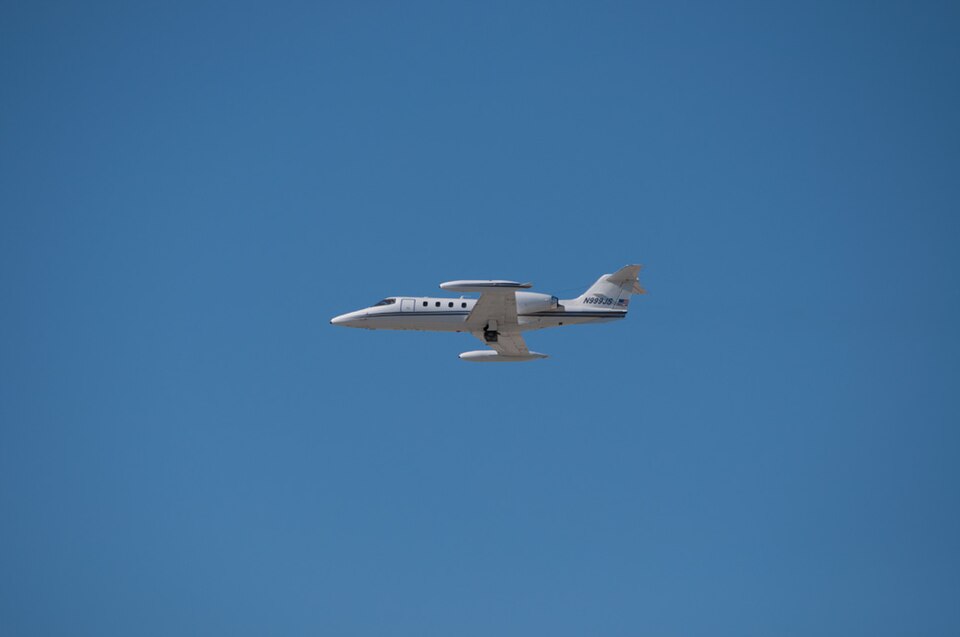
Aircraft registered N999JS
Aircraft registered N999JS. Photo: skinnylawyer from Los Angeles, California, USA / CC BY-SA 2.0, via Wikimedia Commons

An airplane experienced a total engine power loss shortly after the pilot switched fuel tanks. The forced landing approach resulted in a collision with powerlines and the ground. Post-accident inspection revealed no fuel in the tanks, a collapsed left fuel bladder, and non-functional fuel gauges.

Incident Overview

According to the official investigation report, as the airplane neared its destination, the pilot switched from the right to the left fuel tank. Approximately five minutes after this action, the engine experienced a total loss of power. During the subsequent forced landing approach, the airplane struck electric powerlines and then collided with the ground.

On-Scene Examination

Upon examination of the airplane, investigators found no fuel in any of its fuel tanks. A small amount of fuel, about half an ounce, was present in the fuel sump, and the carburetor contained no fuel. Inspection of the main fuel tank bladders revealed that the outboard, top section of the left bladder was folded over and collapsed.

Fuel System Findings

The pilot reported that the fuel gauges did not work. The fuel gauge sending units, located next to the wing root, were examined. Research indicated that the fuel sending units would read the left fuel tank volume level based on fuel level rather than actual quantity.

Summary

No further details regarding the aircraft type, registration, date, operator, location, occupants, injuries, or damage were provided in the source. The investigation did not state a probable cause for the incident.

Investigation report by the U.S. National Transportation Safety Board (NTSB) historical archive. Original record: https://carol.ntsb.gov/event/20001207X03908. This page is a structured re-presentation; facts and quotes are in the National Transportation Safety Board (NTSB), United States.