Accident Summary
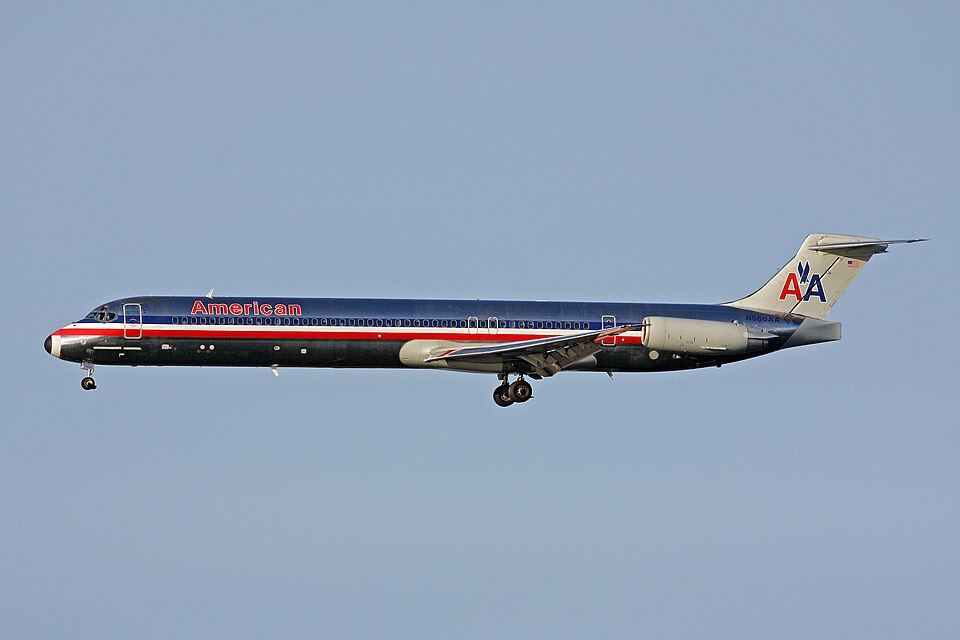
The airplane impacted trees and an ILS antenna as it landed short of the runway on grass and even terrain during a night VOR approach in strong, gusty wind conditions.
Altimeter Error
At the time of the accident, the indicated altitude (height above airport elevation) displayed by the airplane's QFE altimeter was about 76 feet too high, based on the altimeter setting received at 0030. This error resulted in the airplane being 76 feet lower than indicated on the primary altimeters.
Crew Actions
Because the flightcrew knew that the atmospheric pressure was falling rapidly, they should have requested a current altimeter setting from the approach controller when it was not given, as required, upon initial radio contact. Although the flightcrew did not use the most current QNH setting they had available (29.40 inches of Hg.) in the standby altimeter, this error did not affect the accident sequence of events because the flightcrew had the correct, but outdated, QFE setting (29.23 inches Hg.) in the altimeters they were using when the accident occurred.
First Officer's Role
If the first officer had monitored the approach on instruments until reaching minimum descent altitude (MDA) and delayed his search for the airport until after reaching the MDA, he would have been better able to notice and immediately call the captain's attention to the altitude deviation below the MDA.