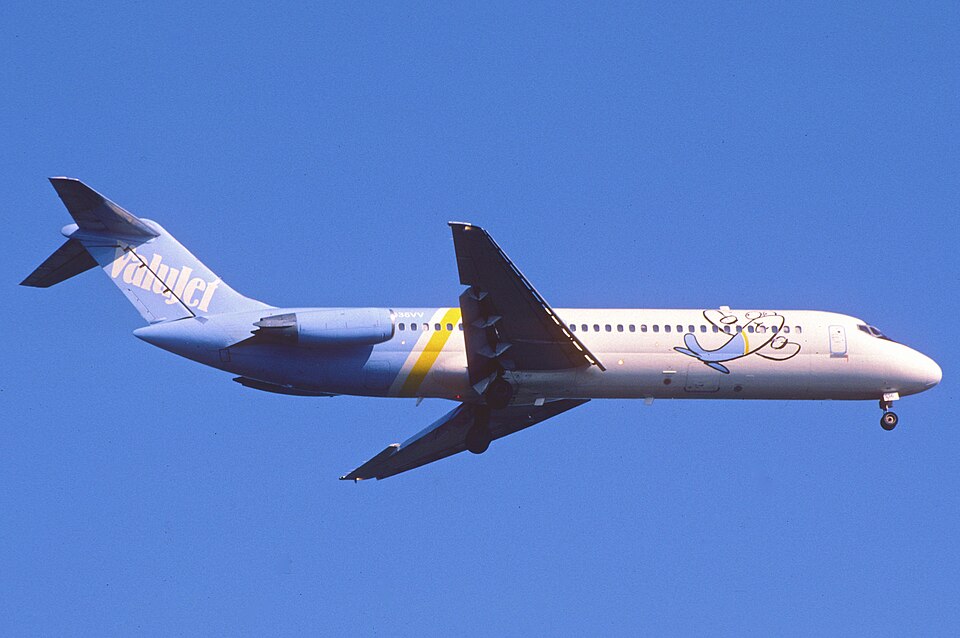
Incident Overview
The flight was cleared for a visual approach to runway 36 using radar vectors. The before-landing checklist was completed, and all aircraft systems were reported operational for landing. The flight crew stated that the airplane touched down approximately 2,500 feet from the threshold of the 7,003-foot long concrete runway.
Landing Roll and Braking
During the landing roll, the first officer, who was flying the airplane, applied normal braking. The airplane did not decelerate as expected. When the captain realized the lack of deceleration, he took over the flight controls and applied heavy braking. Again, there was no noticeable deceleration. The airplane continued rolling and eventually exited the departure end of runway 36, stopping in approximately one foot of mud.
Flight Data Recorder Information
Analysis of flight data recorder data revealed that the aircraft's touchdown airspeed was 127 knots indicated airspeed. This airspeed matched the prescribed landing airspeed for the flight. After touchdown, the airplane rolled 2,500 feet before coming to a full stop 43 seconds later.
Operational References
According to the DC-9 aircraft operating manual, the target touchdown point is 1,000 feet from the runway threshold. In contrast, the flight crew reported a touchdown point about 2,500 feet from the threshold, while a witness reported that the touchdown occurred approximately 4,000 feet from the threshold.