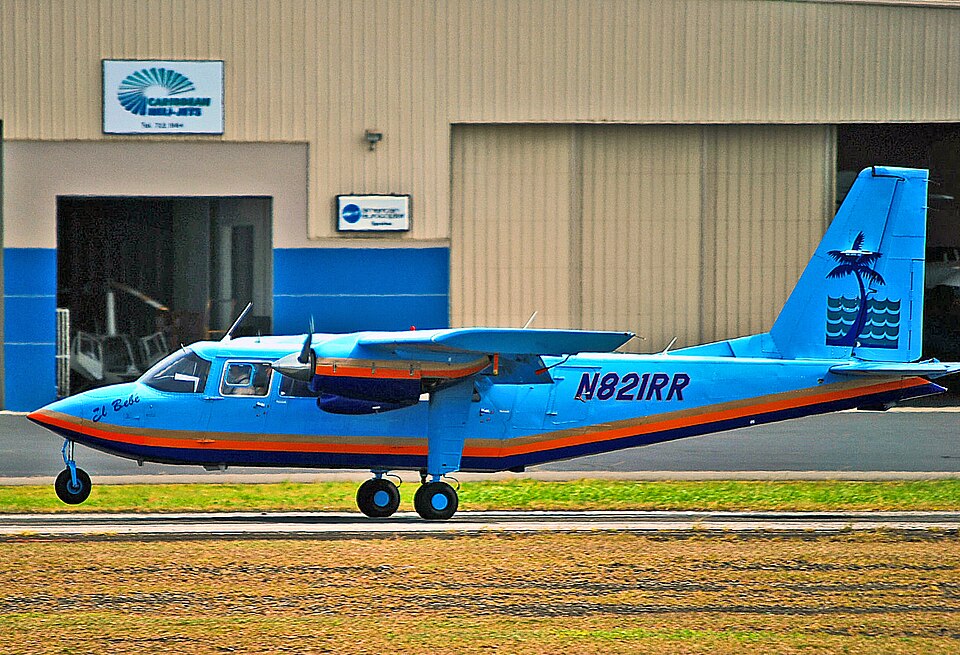
Accident Sequence
Two days before the accident, tape was placed over each static port in preparation for washing the airplane. Neither the person who applied the tape nor the person who washed the airplane removed it after the wash. During the preflight inspection, the student pilot did not observe or remove the tape covering each static port. The airplane's preflight inspection checklist required inspecting each static port to verify it was clear.
The flight departed to perform touch-and-go landings. During the downwind leg, the airspeed indicator indicated 0. The pilot reported lowering the landing gear via the normal method, but the gear indicator lights circuit breaker popped several times while in the pattern. Witnesses reported hearing the airplane flying in the traffic pattern at near full power. The pilot flew over the runway and remained in the pattern. While on final approach during the second pattern, all gear indicator lights indicated that the gear was down and locked. The airplane landed hard, causing all three gears to collapse and the nose baggage door to open.
Preflight and Inspection
The static ports were taped over two days prior. Neither the person who placed the tape nor the person who washed the airplane removed it. The student pilot's preflight inspection did not detect the tape, despite the checklist's requirement to verify each static port was clear.
Flight Test Evidence
Post-accident flight tests confirmed that the airspeed indicator would indicate normally during the takeoff roll until the airplane reached about 400 feet above ground level, at which point the airspeed indicator would drop to 0.
Pilot Experience
The student pilot had a total of 3.6 hours of solo time in the accident airplane and no more than 15 solo landings. He did not activate the equipped alternate static source.