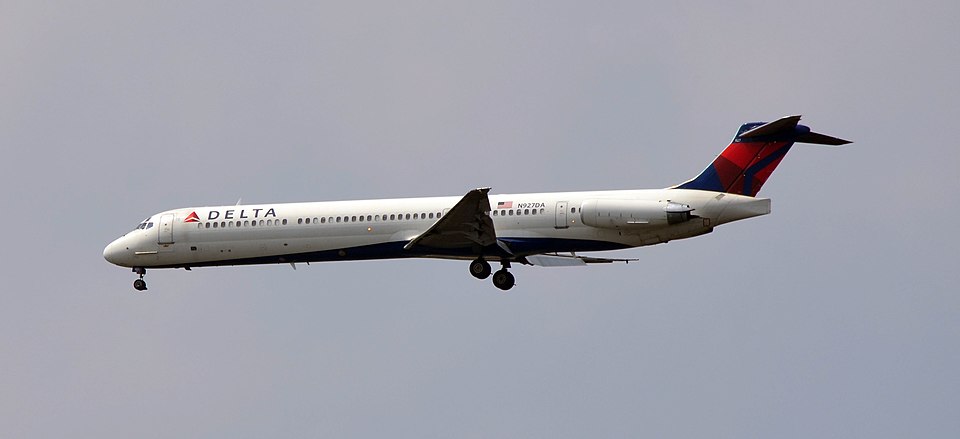
Event Description
During the initial part of its takeoff roll, the airplane experienced an engine failure. Uncontained engine debris from the front compressor front hub (fan hub) of the #1 (left) engine penetrated the left aft fuselage. The takeoff was rejected, and the airplane was stopped on the runway. Two passengers were killed and two others were seriously injured.
Investigation Findings
Examination revealed that the fan hub had fractured through a tierod hole and blade slot. The fracture was attributed to drilling damage that occurred during the manufacturing process. Some form of drill breakage or drill breakdown, combined with localized loss of coolant and chip packing, had occurred during the drilling process. This created an altered microstructure and ladder cracking in the fan hub. The drilling damage extended much deeper into the hole sidewall material than previously anticipated by P & W.
Fatigue Crack Propagation
Fatigue cracks initiated from the ladder cracking in the tierod hole. These cracks began propagating almost immediately after the hub was put into service in 1990. The crack was large enough to have been detectable during the last fluorescent penetrant inspection performed by Delta.
Inspection Issues
Delta's nondetection of the crack was attributed either to a failure of the cleaning and fluorescent penetrant inspection processing, a failure of the inspector to detect the crack, or some combination of these factors.