Incident Overview
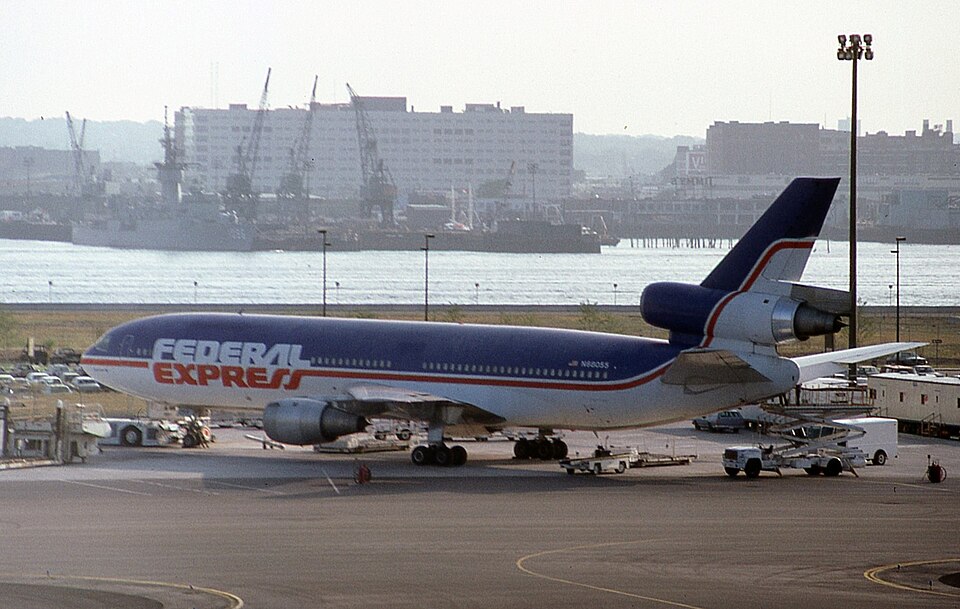
The flight was cruising at an altitude of FL330 when the flight crew detected smoke in the cabin cargo compartment. An emergency was declared, and the aircraft diverted to Newburgh/Stewart International Airport, where it landed. After landing, the airplane was destroyed by fire. The fire had burned for approximately four hours after smoke was first detected.
Investigation Findings
Examination of the aircraft revealed that the deepest and most severe heat and fire damage occurred in and around container 6R. This container held a DNA synthesizer that contained flammable liquids. The structure of container 6R was more consumed than any other container, and it was the only container that exhibited severe floor damage. Additionally, container 6R was the only container to show heat damage on its bottom surface, and the area below it exhibited the most extensive scorching of the composite flooring material. However, investigators determined that there was insufficient reliable evidence to reach a conclusion as to where the fire originated.
It was also found that the presence of flammable chemicals in the DNA synthesizer was wholly unintended and unknown to the preparer of the package and the shipper.
Crew Actions
The captain did not adequately manage his crew resources. Specifically, he failed to call for checklists or to monitor and facilitate the accomplishment of required checklist items.
Regulatory Issues
The investigation noted that the Department of Transportation hazardous materials regulations do not adequately address the need for hazardous materials information on file at a carrier to be quickly retrievable in a format useful to emergency responders.